



Minimize risks with AI-powered contract review
Trusted by over 10000 happy users
























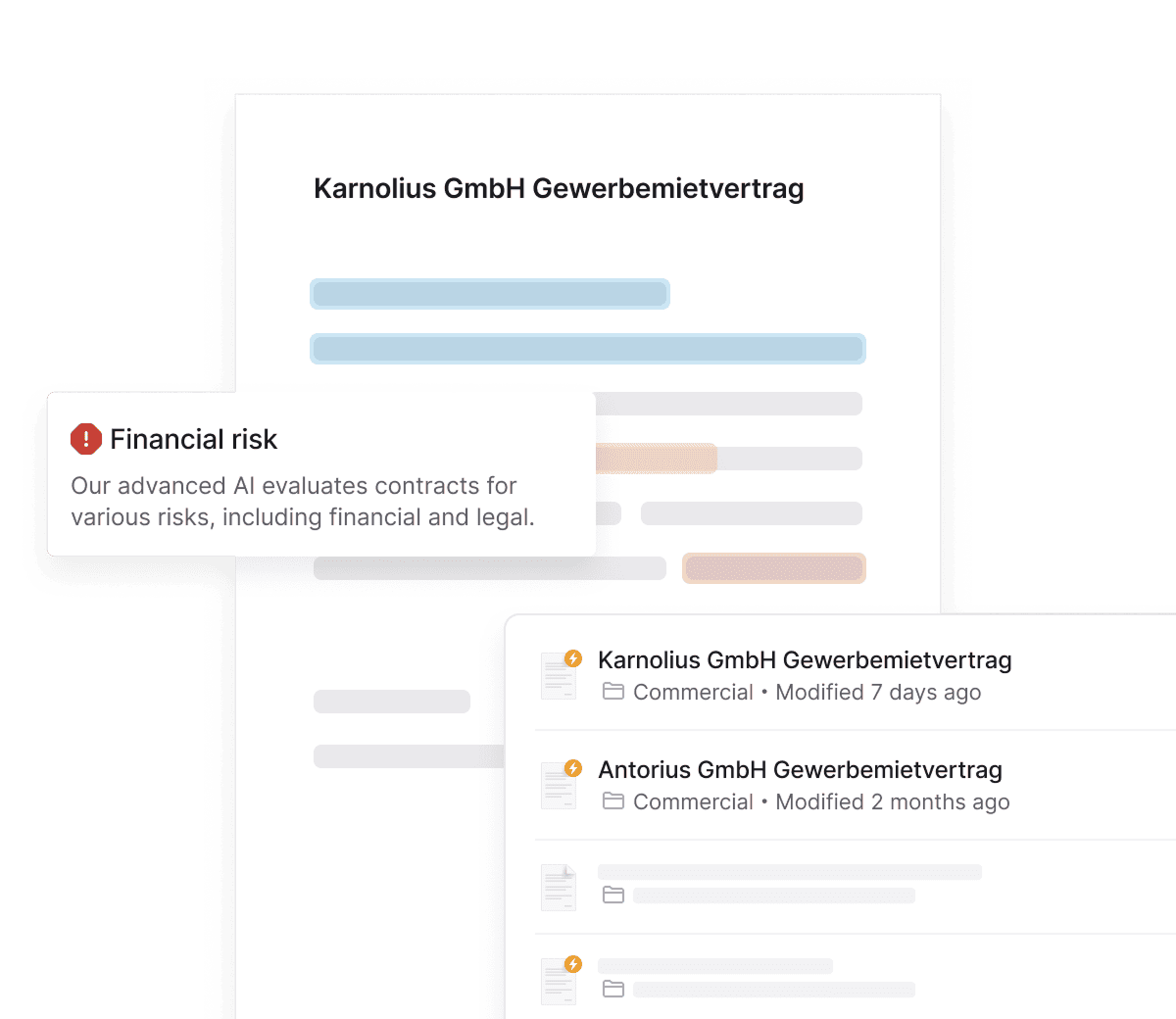
Automatic identification of critical contract clauses
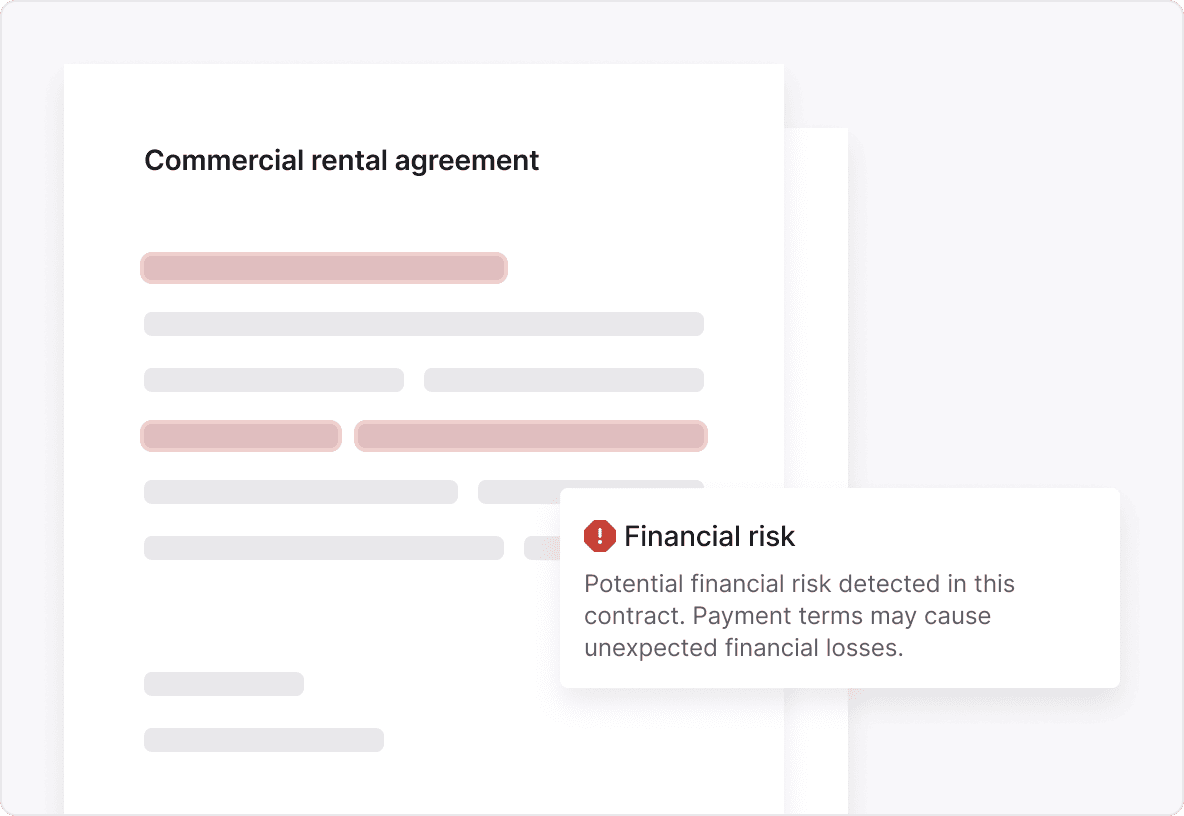
Compliance checks in seconds
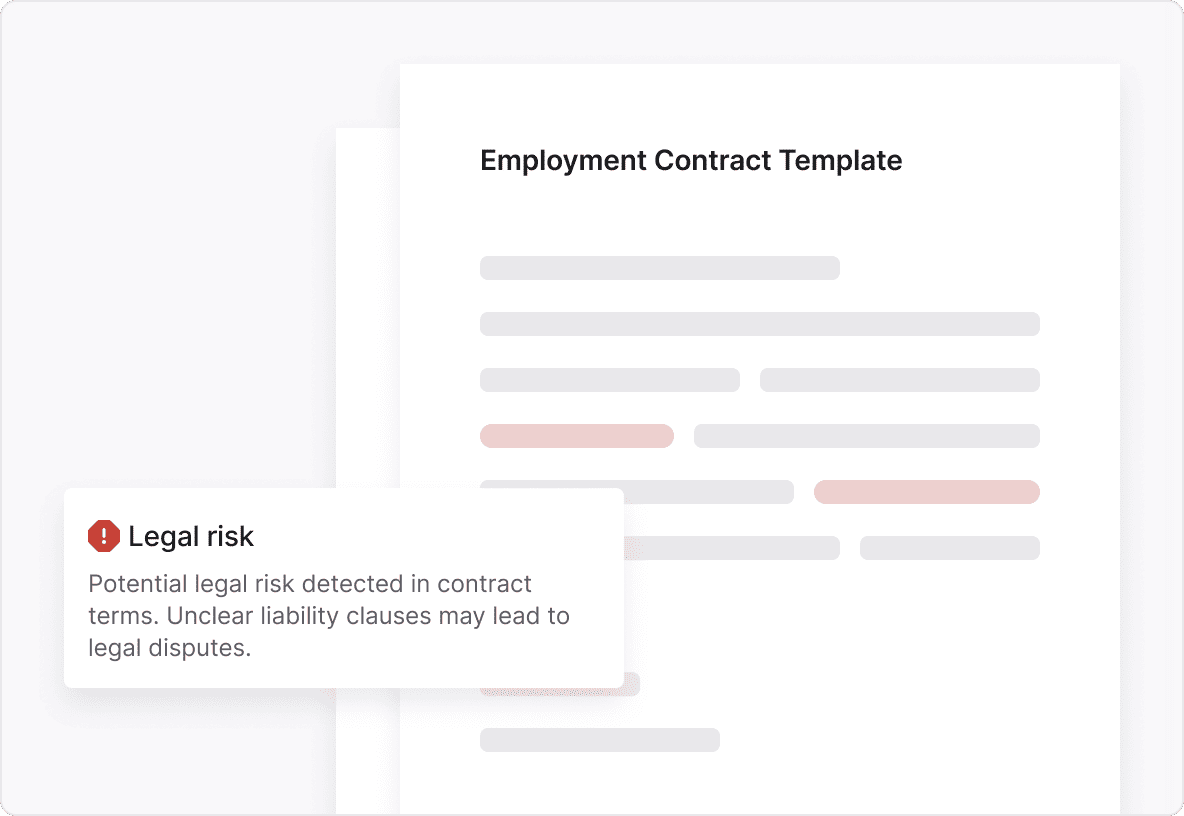
Comparison with standard templates and best practices
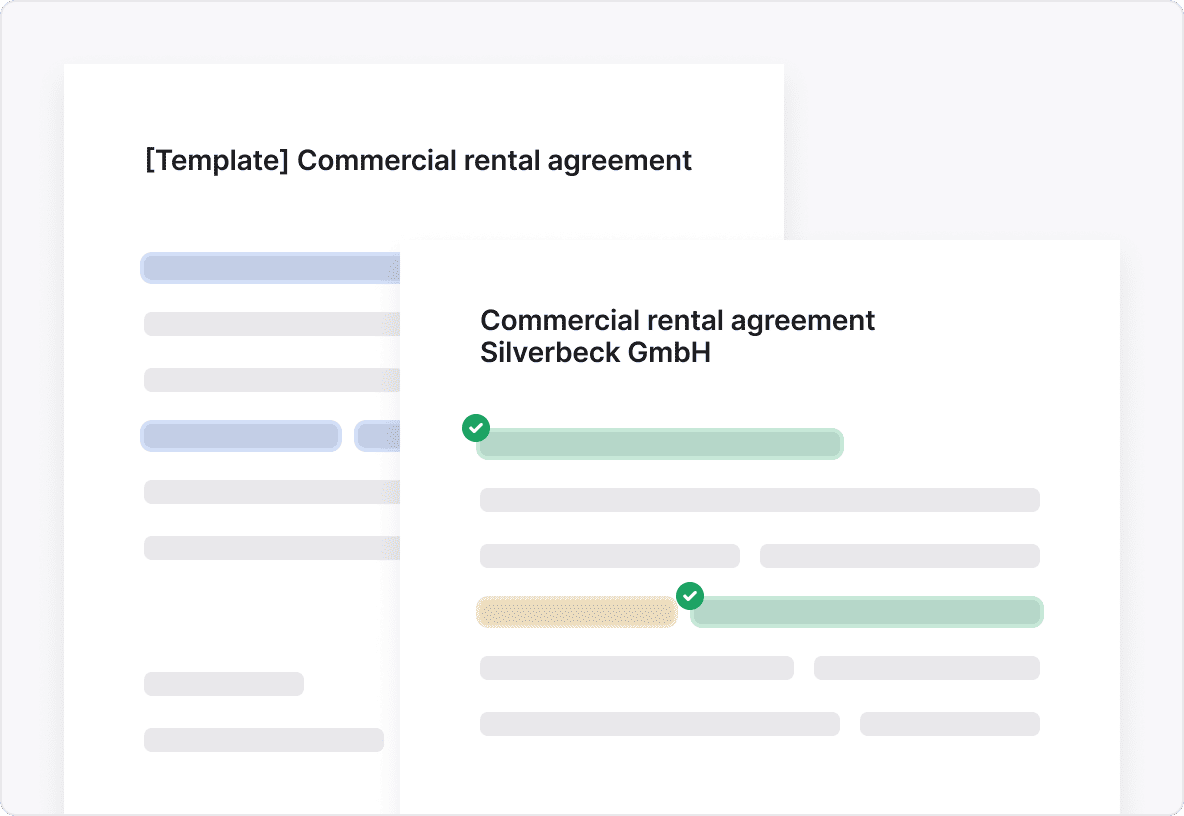
Risk analysis and recommendations
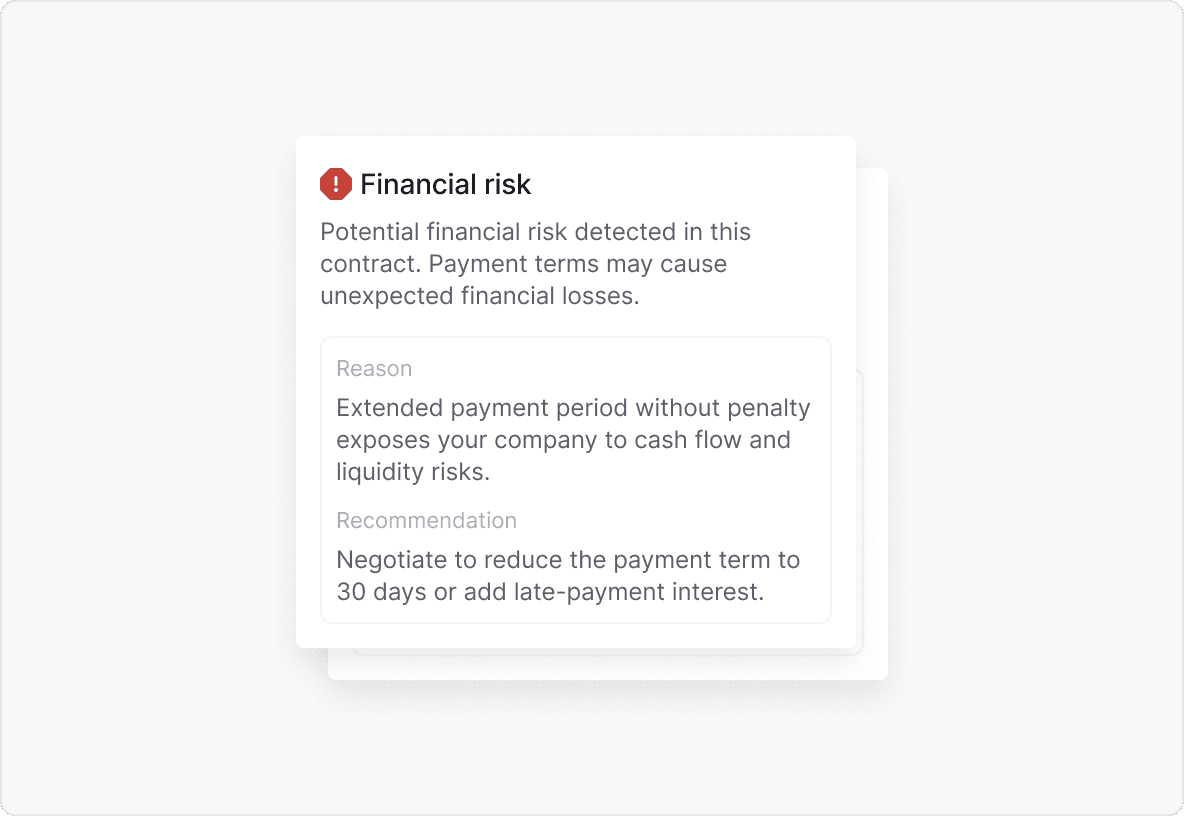
What makes Inhubber’s intelligent contract review powerful and efficient


“Powerfully simple”
 Automatic deadline monitoring is a real game changer for us. We used to manage deadlines manually in Excel spreadsheets, which was naturally error-prone. Now Inhubber ensures that we are notified in a timely manner about upcoming termination periods. This has already saved us from unnecessary costs.
Automatic deadline monitoring is a real game changer for us. We used to manage deadlines manually in Excel, which was error-prone. Now Inhubber notifies us in time about upcoming termination periods, helping us avoid missed deadlines and unnecessary costs.
Automatic deadline monitoring is a real game changer for us. We used to manage deadlines manually in Excel spreadsheets, which was naturally error-prone. Now Inhubber ensures that we are notified in a timely manner about upcoming termination periods. This has already saved us from unnecessary costs.
Automatic deadline monitoring is a real game changer for us. We used to manage deadlines manually in Excel, which was error-prone. Now Inhubber notifies us in time about upcoming termination periods, helping us avoid missed deadlines and unnecessary costs.

 Especially in the logistics sector, many contracts are long and complex. With the AI summary, I can understand a 40-page contract in just a few sentences. This saves an incredible amount of time. When I log in in the morning, I immediately see upcoming deadlines, tasks, and signature requests. That way, I know right away what I need to focus on. It used to be much more unclear.
Especially in logistics, contracts are often long and complex. With AI summaries, I can understand a 40-page contract in seconds, saving significant time. Each morning, I instantly see deadlines, tasks, and signature requests—so I know exactly what to focus on.
Especially in the logistics sector, many contracts are long and complex. With the AI summary, I can understand a 40-page contract in just a few sentences. This saves an incredible amount of time. When I log in in the morning, I immediately see upcoming deadlines, tasks, and signature requests. That way, I know right away what I need to focus on. It used to be much more unclear.
Especially in logistics, contracts are often long and complex. With AI summaries, I can understand a 40-page contract in seconds, saving significant time. Each morning, I instantly see deadlines, tasks, and signature requests—so I know exactly what to focus on.

 Inhubber has fundamentally changed the way we handle our contracts by providing a user-friendly and efficient platform that ensures complete transparency. This change has led to significant time savings, particularly through improved organization and accessibility of data. In the financial sector, it is especially useful as it helps keep track of costs and deadlines, making it an essential tool for our sustainable growth.
Inhubber has transformed contract management with a user-friendly platform and full transparency. It saves time through better organization and data access. In finance, it’s valuable for tracking costs and deadlines, supporting growth.
Inhubber has fundamentally changed the way we handle our contracts by providing a user-friendly and efficient platform that ensures complete transparency. This change has led to significant time savings, particularly through improved organization and accessibility of data. In the financial sector, it is especially useful as it helps keep track of costs and deadlines, making it an essential tool for our sustainable growth.
Inhubber has transformed contract management with a user-friendly platform and full transparency. It saves time through better organization and data access. In finance, it’s valuable for tracking costs and deadlines, supporting growth.

 Thanks to Inhubber, it is now much easier and faster to rent out apartments, and I can even rent them out across the country without having to be there.
Thanks to Inhubber, it is now much easier and faster to rent out apartments, and I can even rent them out across the country without having to be there.
Thanks to Inhubber, it is now much easier and faster to rent out apartments, and I can even rent them out across the country without having to be there.

 Before we introduced Inhubber, we missed termination deadlines several times simply because no one remembered that the contract still existed and needed to be cancelled. This led to unnecessary costs that we wanted to avoid. With Inhubber, we can now be confident that this will no longer happen.
Before Inhubber, we missed termination deadlines because contracts were overlooked, leading to unnecessary costs. Now, we’re reliably notified in time and can be confident that deadlines are no longer missed.
Before we introduced Inhubber, we missed termination deadlines several times simply because no one remembered that the contract still existed and needed to be cancelled. This led to unnecessary costs that we wanted to avoid. With Inhubber, we can now be confident that this will no longer happen.
Before Inhubber, we missed termination deadlines because contracts were overlooked, leading to unnecessary costs. Now, we’re reliably notified in time and can be confident that deadlines are no longer missed.

 The advantages I see with Inhubber are, firstly, usability, meaning it’s easy to use for our team members and business partners. The second major advantage I see with Inhubber is the whole issue of data security, data availability, and more.
The advantages I see with Inhubber are, firstly, usability, meaning it’s easy to use for our team members and business partners. The second major advantage I see with Inhubber is the whole issue of data security, data availability, and more.
The advantages I see with Inhubber are, firstly, usability, meaning it’s easy to use for our team members and business partners. The second major advantage I see with Inhubber is the whole issue of data security, data availability, and more.

 After evaluating several software solutions, we chose Inhubber – not only because it offers a web-based solution that’s accessible from anywhere, but also because of the flexibility in structuring contracts. We wanted the option of storing our contracts in clearly structured categories and areas that perfectly fit our organization.
After evaluating several solutions, we chose Inhubber for its web-based accessibility and flexible contract structuring. It allows us to organize contracts into clear categories and areas that perfectly match our organization.
After evaluating several software solutions, we chose Inhubber – not only because it offers a web-based solution that’s accessible from anywhere, but also because of the flexibility in structuring contracts. We wanted the option of storing our contracts in clearly structured categories and areas that perfectly fit our organization.
After evaluating several solutions, we chose Inhubber for its web-based accessibility and flexible contract structuring. It allows us to organize contracts into clear categories and areas that perfectly match our organization.

 Inhubber was the perfect solution for our family-owned business.
We now have a complete overview of all contracts — structured by business units and contract types. Relevant documents are always easy to find, deadlines are automatically tracked, and nothing gets lost anymore.
What impressed us most was the 100% transparency, the ease of use, and the automatic identification of contract risks. Manual effort has been significantly reduced — we save around 80% of the time compared to before.
Inhubber has sustainably professionalized and simplified our contract management.
Inhubber is the perfect solution for our family business. We now have a full overview of all contracts, clearly structured and easy to access. Deadlines are tracked automatically, risks are identified, and manual effort is reduced—saving us around 80% of the time.
Inhubber was the perfect solution for our family-owned business.
We now have a complete overview of all contracts — structured by business units and contract types. Relevant documents are always easy to find, deadlines are automatically tracked, and nothing gets lost anymore.
What impressed us most was the 100% transparency, the ease of use, and the automatic identification of contract risks. Manual effort has been significantly reduced — we save around 80% of the time compared to before.
Inhubber has sustainably professionalized and simplified our contract management.
Inhubber is the perfect solution for our family business. We now have a full overview of all contracts, clearly structured and easy to access. Deadlines are tracked automatically, risks are identified, and manual effort is reduced—saving us around 80% of the time.


Award winning CLM software












FAQ
AI-based contract review systematically identifies various risk categories: financial risks such as unfavorable payment terms or hidden costs, legal risks due to unclear liability provisions or missing governing law clauses, operational risks from unrealistic delivery timelines, and compliance risks from missing data protection clauses. Each identified risk is assessed by severity and prioritized, allowing you to focus on the most critical issues.
Automated contract review continuously compares your contracts with current legal requirements—such as GDPR, general terms and conditions law, commercial law, and industry-specific regulations. The AI flags problematic passages in real time, suggests compliant alternative wording, and alerts you to missing mandatory elements or outdated clauses. Compliance updates are applied automatically to ensure your review criteria remain up to date.
Yes. Our contract review software supports all common contract types: purchase agreements, service contracts, employment contracts, lease agreements, NDAs, supplier contracts, framework agreements, and more. The AI is trained across various contract types and recognizes industry-specific nuances—from real estate and IT to healthcare. It can process and analyze PDFs, Word documents, scanned contracts, and even handwritten additions using OCR.
Yes. Inhubber enables batch processing for efficient large-scale reviews: upload multiple contracts and have them analyzed in parallel. You receive a consolidated report with individual risk assessments, deviation analyses, and specific recommendations for each contract—ideal for due diligence processes, contract portfolio analysis, or mergers and acquisitions.
AI-powered contract review achieves a detection rate of over 95% for standardized clauses and risks. Unlike manual review, the AI works consistently without fatigue, does not overlook details—even in large documents—and applies the same review criteria across all contracts. For particularly critical or complex agreements, a hybrid approach is recommended: AI pre-review to identify relevant sections, followed by a focused legal review.
Automated contract review focuses on critical clauses: liability and warranty exclusions, termination periods and conditions, payment terms and default provisions, confidentiality obligations, data protection clauses, contractual penalties, intellectual property rights, and severability clauses. Unusual or non-standard wording is automatically flagged.
Absolutely. You can define your own review criteria, standard clauses, and company-specific policies. The contract review software then compares each new contract against your specific requirements and flags any deviations. Industry-specific requirements, preferred wording, or no-go clauses can also be configured—ensuring that all reviewed contracts comply with your internal standards.
After the review, you receive a structured analysis report including an executive summary, color-coded risk assessment (green/yellow/red), a list of all identified issues with references to their location in the document, clear recommendations for action, and priority levels. Critical clauses are highlighted directly within the contract. The report is detailed enough for legal experts while remaining easy to understand for non-lawyers.
Ja. Unsere KI-Vertragsprüfung analysiert Verträge in allen gängigen Sprachen – Deutsch, Englisch, Französisch, Spanisch, Italienisch und viele weitere. Die Prüfung erfolgt direkt in der Originalsprache ohne vorherige Übersetzung, wodurch keine Nuancen verloren gehen. Auch bei mehrsprachigen Verträgen oder Verträgen mit fremdsprachigen Anhängen erfolgt eine vollständige Analyse aller relevanten Passagen.
Eine standardmäßige Vertragsprüfung dauert je nach Dokumentumfang zwischen 30 Sekunden und 3 Minuten. Einfache Verträge (5–10 Seiten) werden in unter einer Minute analysiert, während komplexe Verträge mit Anhängen (50+ Seiten) etwa 2–3 Minuten benötigen. Im Vergleich zur manuellen Prüfung, die mehrere Stunden oder Tage dauern kann, bedeutet dies eine Zeitersparnis von bis zu 95 %.