



Manage contract obligations — in one place
Trusted by over 10000 happy users























Track all obligation deadlines and commitments
Connect obligations to financial impact
Detect and manage risky obligations
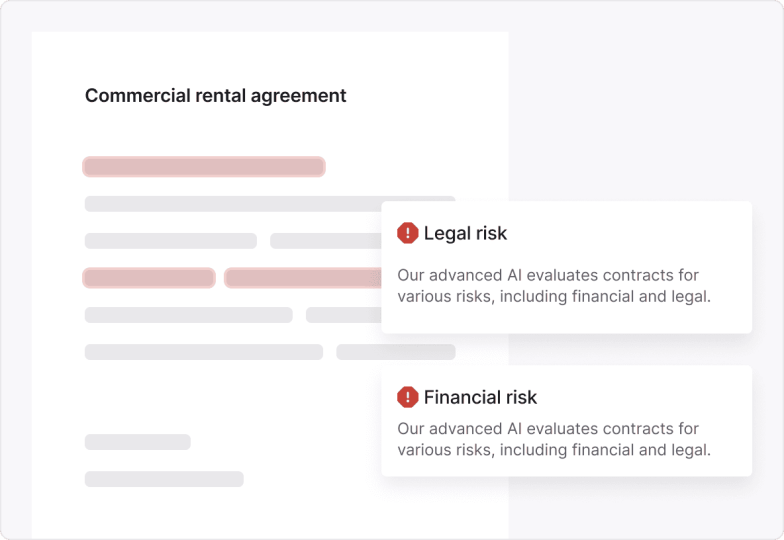
Centralize obligations and ensure accountability
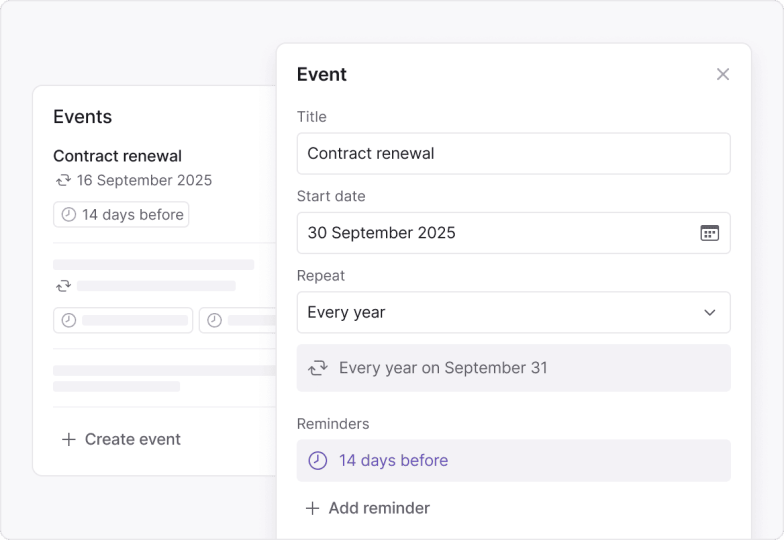
Automate and control every contract obligation


Stay in control of every contract obligation
“Powerfully simple”
 Automatic deadline monitoring is a real game changer for us. We used to manage deadlines manually in Excel spreadsheets, which was naturally error-prone. Now Inhubber ensures that we are notified in a timely manner about upcoming termination periods. This has already saved us from unnecessary costs.
Automatic deadline monitoring is a real game changer for us. We used to manage deadlines manually in Excel, which was error-prone. Now Inhubber notifies us in time about upcoming termination periods, helping us avoid missed deadlines and unnecessary costs.
Automatic deadline monitoring is a real game changer for us. We used to manage deadlines manually in Excel spreadsheets, which was naturally error-prone. Now Inhubber ensures that we are notified in a timely manner about upcoming termination periods. This has already saved us from unnecessary costs.
Automatic deadline monitoring is a real game changer for us. We used to manage deadlines manually in Excel, which was error-prone. Now Inhubber notifies us in time about upcoming termination periods, helping us avoid missed deadlines and unnecessary costs.

 Especially in the logistics sector, many contracts are long and complex. With the AI summary, I can understand a 40-page contract in just a few sentences. This saves an incredible amount of time. When I log in in the morning, I immediately see upcoming deadlines, tasks, and signature requests. That way, I know right away what I need to focus on. It used to be much more unclear.
Especially in logistics, contracts are often long and complex. With AI summaries, I can understand a 40-page contract in seconds, saving significant time. Each morning, I instantly see deadlines, tasks, and signature requests—so I know exactly what to focus on.
Especially in the logistics sector, many contracts are long and complex. With the AI summary, I can understand a 40-page contract in just a few sentences. This saves an incredible amount of time. When I log in in the morning, I immediately see upcoming deadlines, tasks, and signature requests. That way, I know right away what I need to focus on. It used to be much more unclear.
Especially in logistics, contracts are often long and complex. With AI summaries, I can understand a 40-page contract in seconds, saving significant time. Each morning, I instantly see deadlines, tasks, and signature requests—so I know exactly what to focus on.

 Inhubber has fundamentally changed the way we handle our contracts by providing a user-friendly and efficient platform that ensures complete transparency. This change has led to significant time savings, particularly through improved organization and accessibility of data. In the financial sector, it is especially useful as it helps keep track of costs and deadlines, making it an essential tool for our sustainable growth.
Inhubber has transformed contract management with a user-friendly platform and full transparency. It saves time through better organization and data access. In finance, it’s valuable for tracking costs and deadlines, supporting growth.
Inhubber has fundamentally changed the way we handle our contracts by providing a user-friendly and efficient platform that ensures complete transparency. This change has led to significant time savings, particularly through improved organization and accessibility of data. In the financial sector, it is especially useful as it helps keep track of costs and deadlines, making it an essential tool for our sustainable growth.
Inhubber has transformed contract management with a user-friendly platform and full transparency. It saves time through better organization and data access. In finance, it’s valuable for tracking costs and deadlines, supporting growth.

 Thanks to Inhubber, it is now much easier and faster to rent out apartments, and I can even rent them out across the country without having to be there.
Thanks to Inhubber, it is now much easier and faster to rent out apartments, and I can even rent them out across the country without having to be there.
Thanks to Inhubber, it is now much easier and faster to rent out apartments, and I can even rent them out across the country without having to be there.

 Before we introduced Inhubber, we missed termination deadlines several times simply because no one remembered that the contract still existed and needed to be cancelled. This led to unnecessary costs that we wanted to avoid. With Inhubber, we can now be confident that this will no longer happen.
Before Inhubber, we missed termination deadlines because contracts were overlooked, leading to unnecessary costs. Now, we’re reliably notified in time and can be confident that deadlines are no longer missed.
Before we introduced Inhubber, we missed termination deadlines several times simply because no one remembered that the contract still existed and needed to be cancelled. This led to unnecessary costs that we wanted to avoid. With Inhubber, we can now be confident that this will no longer happen.
Before Inhubber, we missed termination deadlines because contracts were overlooked, leading to unnecessary costs. Now, we’re reliably notified in time and can be confident that deadlines are no longer missed.

 The advantages I see with Inhubber are, firstly, usability, meaning it’s easy to use for our team members and business partners. The second major advantage I see with Inhubber is the whole issue of data security, data availability, and more.
The advantages I see with Inhubber are, firstly, usability, meaning it’s easy to use for our team members and business partners. The second major advantage I see with Inhubber is the whole issue of data security, data availability, and more.
The advantages I see with Inhubber are, firstly, usability, meaning it’s easy to use for our team members and business partners. The second major advantage I see with Inhubber is the whole issue of data security, data availability, and more.

 After evaluating several software solutions, we chose Inhubber – not only because it offers a web-based solution that’s accessible from anywhere, but also because of the flexibility in structuring contracts. We wanted the option of storing our contracts in clearly structured categories and areas that perfectly fit our organization.
After evaluating several solutions, we chose Inhubber for its web-based accessibility and flexible contract structuring. It allows us to organize contracts into clear categories and areas that perfectly match our organization.
After evaluating several software solutions, we chose Inhubber – not only because it offers a web-based solution that’s accessible from anywhere, but also because of the flexibility in structuring contracts. We wanted the option of storing our contracts in clearly structured categories and areas that perfectly fit our organization.
After evaluating several solutions, we chose Inhubber for its web-based accessibility and flexible contract structuring. It allows us to organize contracts into clear categories and areas that perfectly match our organization.

 Inhubber was the perfect solution for our family-owned business.
We now have a complete overview of all contracts — structured by business units and contract types. Relevant documents are always easy to find, deadlines are automatically tracked, and nothing gets lost anymore.
What impressed us most was the 100% transparency, the ease of use, and the automatic identification of contract risks. Manual effort has been significantly reduced — we save around 80% of the time compared to before.
Inhubber has sustainably professionalized and simplified our contract management.
Inhubber is the perfect solution for our family business. We now have a full overview of all contracts, clearly structured and easy to access. Deadlines are tracked automatically, risks are identified, and manual effort is reduced—saving us around 80% of the time.
Inhubber was the perfect solution for our family-owned business.
We now have a complete overview of all contracts — structured by business units and contract types. Relevant documents are always easy to find, deadlines are automatically tracked, and nothing gets lost anymore.
What impressed us most was the 100% transparency, the ease of use, and the automatic identification of contract risks. Manual effort has been significantly reduced — we save around 80% of the time compared to before.
Inhubber has sustainably professionalized and simplified our contract management.
Inhubber is the perfect solution for our family business. We now have a full overview of all contracts, clearly structured and easy to access. Deadlines are tracked automatically, risks are identified, and manual effort is reduced—saving us around 80% of the time.


Award winning CLM software












FAQ
Contract obligation tracking is the process of identifying, monitoring, and managing all commitments defined within contracts. These obligations can include deadlines, payment terms, service levels, notice periods, and other responsibilities. Instead of manually reviewing contracts and tracking obligations in spreadsheets or emails, a structured system ensures that every commitment is visible and actionable. By centralizing and automating obligation tracking, organizations can ensure that nothing is missed and that all responsibilities are fulfilled on time.
Inhubber uses AI to automatically analyze contract content and extract key obligations such as deadlines, responsibilities, and commitments. The system identifies relevant clauses and converts them into structured data that can be tracked and managed. This eliminates the need for manual review and reduces the risk of overlooking important obligations. Over time, the system improves its accuracy, ensuring reliable extraction even in complex contracts.
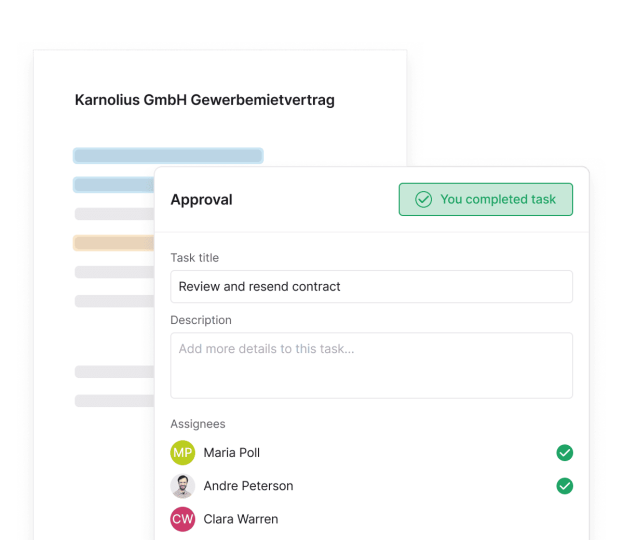
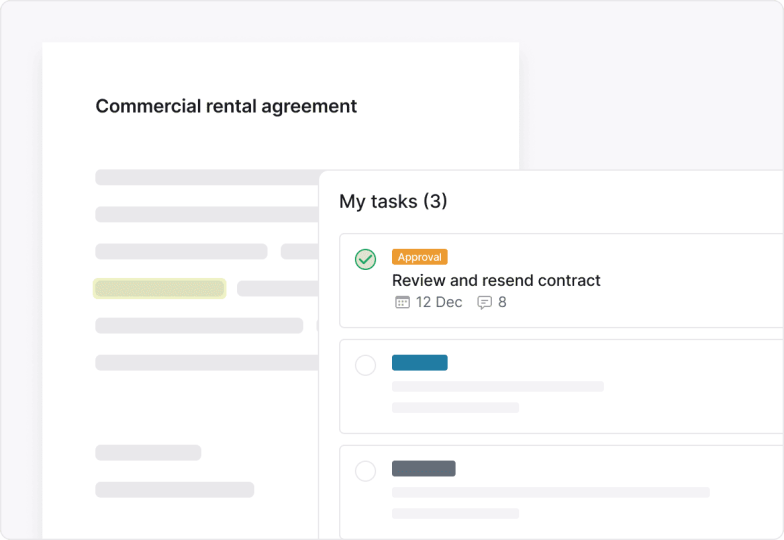
Yes, extracted obligations can be automatically converted into tasks with deadlines, notifications, and escalation workflows. This ensures that responsible individuals are informed and that obligations are actively managed rather than passively stored. Tasks can be assigned to specific users or teams, creating a clear execution process. Automated reminders and escalations help prevent missed deadlines and ensure that obligations are completed on time.
Inhubber allows you to assign obligations to specific individuals, departments, or business units. Each obligation is clearly linked to a responsible party, ensuring transparency and accountability. This eliminates confusion about ownership and ensures that tasks are not overlooked. By making responsibilities visible and trackable, organizations can improve coordination and execution across teams.
Yes, all obligations are centralized in a single system where they are structured, searchable, and linked to their respective contracts. This provides a complete overview of all commitments across the organization. Users can filter and search obligations based on various criteria, making it easy to identify upcoming deadlines, responsibilities, or risks. This replaces fragmented tracking methods and creates a single source of truth.
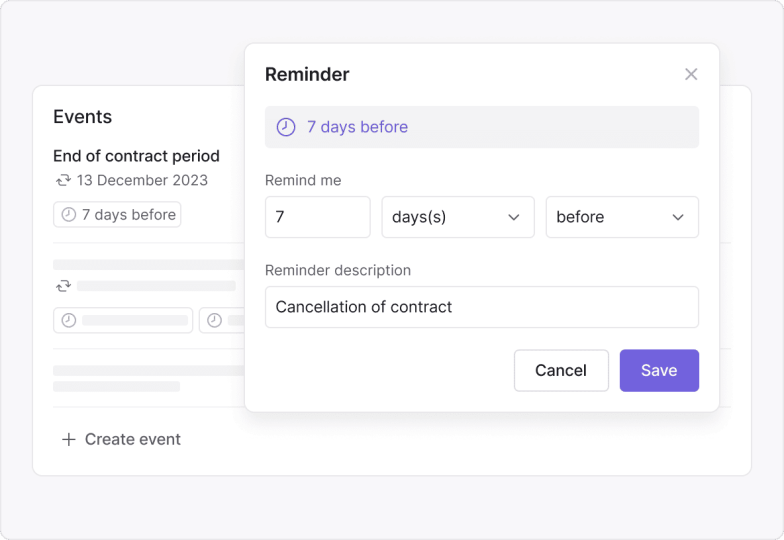
The platform automatically tracks all relevant dates, including due dates, notice periods, and milestones. It then triggers reminders and alerts ahead of deadlines, ensuring that responsible stakeholders have enough time to act. Escalation workflows can also be configured to notify additional stakeholders if deadlines are at risk. This proactive approach significantly reduces the likelihood of missed obligations.
Yes, the platform can identify and track financial obligations such as payments, minimum purchase commitments, and volume thresholds. These obligations can be linked to workflows and alerts, allowing teams to monitor compliance and take action when needed. This ensures that financial commitments are not only visible but also actively managed.
Missed obligations can lead to penalties, service disruptions, or legal disputes. By ensuring that all obligations are clearly defined, tracked, and assigned, organizations can act proactively instead of reacting to issues after they occur. Early visibility into critical or high-risk obligations allows teams to address potential problems before they escalate, significantly reducing operational risk.
Yes, obligation tracking is designed to support collaboration across departments such as legal, procurement, finance, and operations. Each team can access relevant obligations and understand their responsibilities. This improves coordination, reduces communication gaps, and ensures that all stakeholders are aligned. A centralized system helps teams work together more efficiently and avoid duplication of effort.
Implementation is typically fast and scalable. Contracts can be imported into the system, and AI can begin extracting obligations shortly after. Within a short time, organizations can start tracking obligations, assigning responsibilities, and automating workflows. As more contracts are added, the system becomes more comprehensive and valuable. This allows teams to move from manual tracking to automated obligation management quickly and efficiently.