



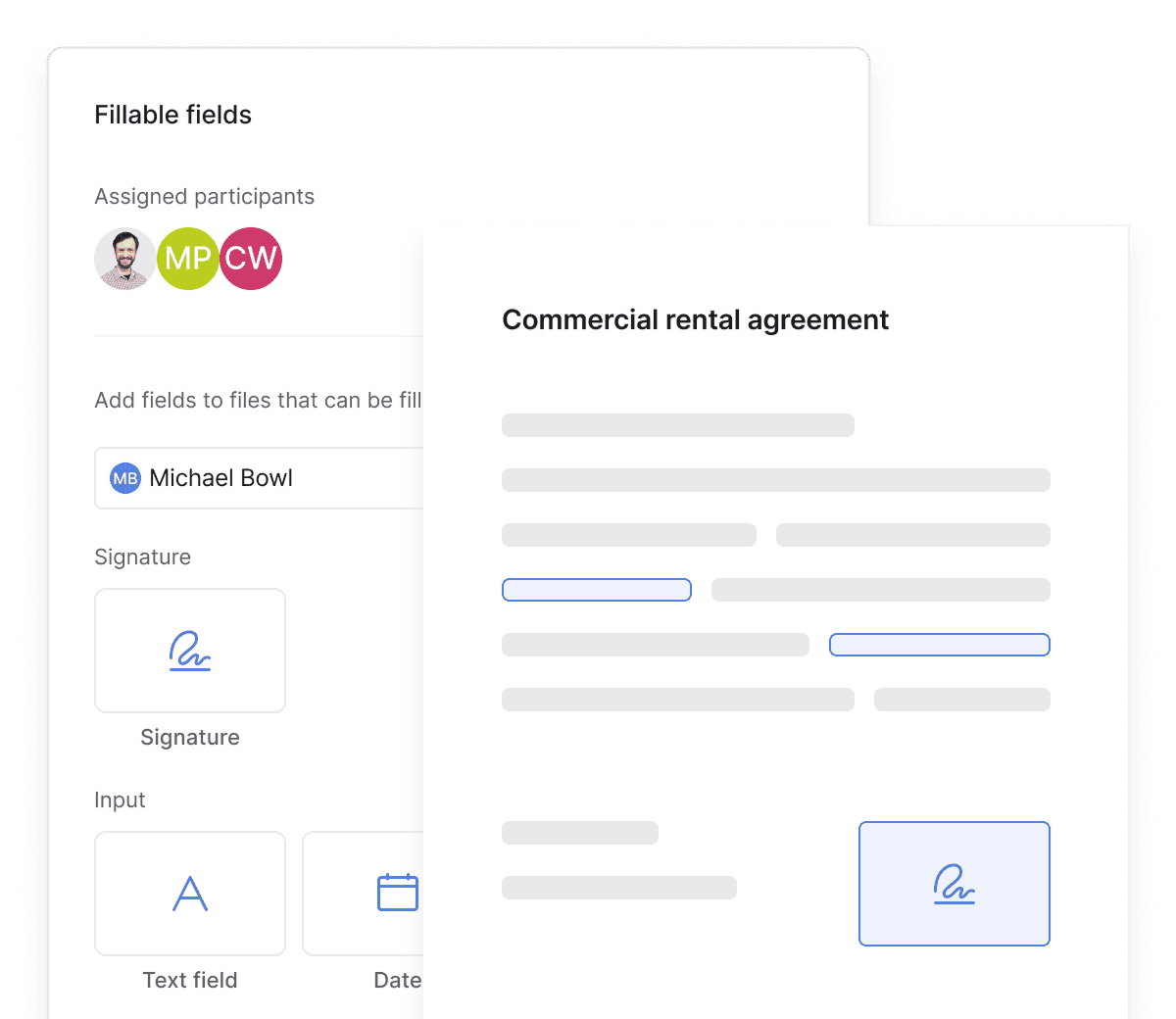
Create contracts faster with structured fields
Trusted by over 10000 happy users



















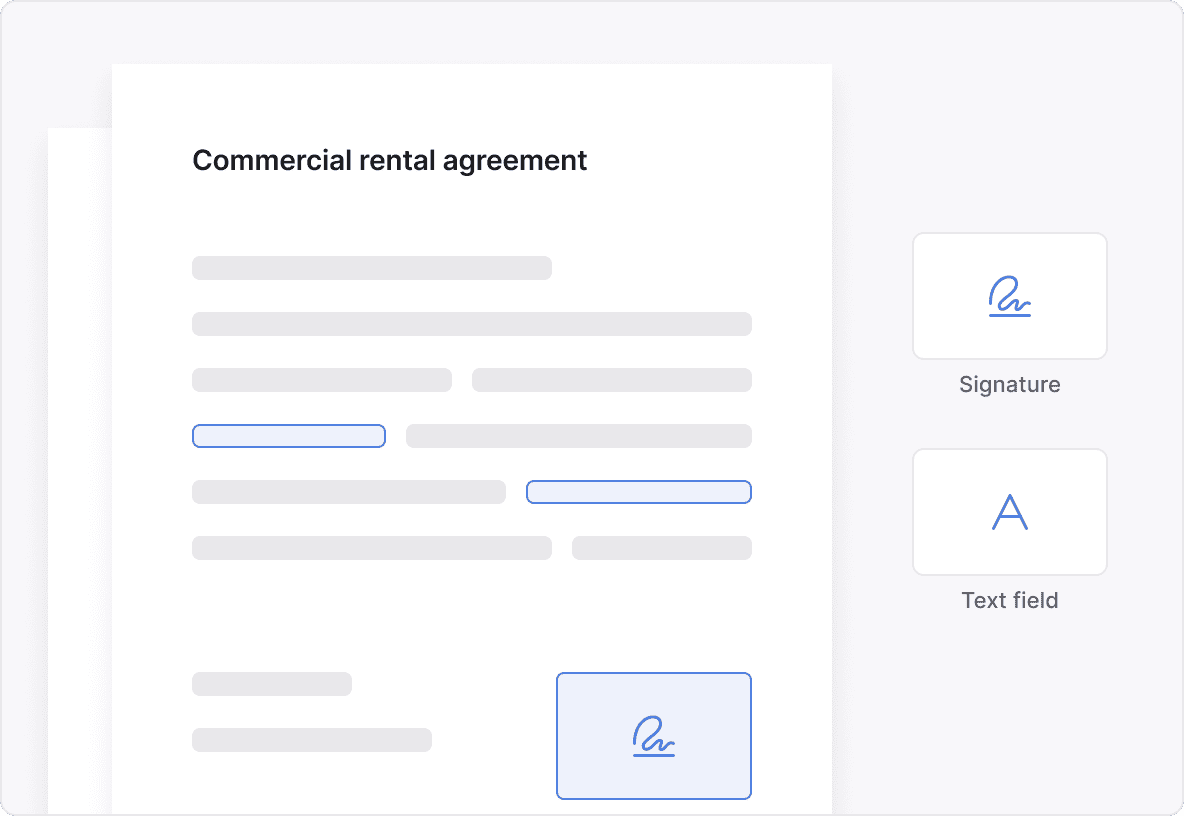
Define what can be filled — and what stays protected
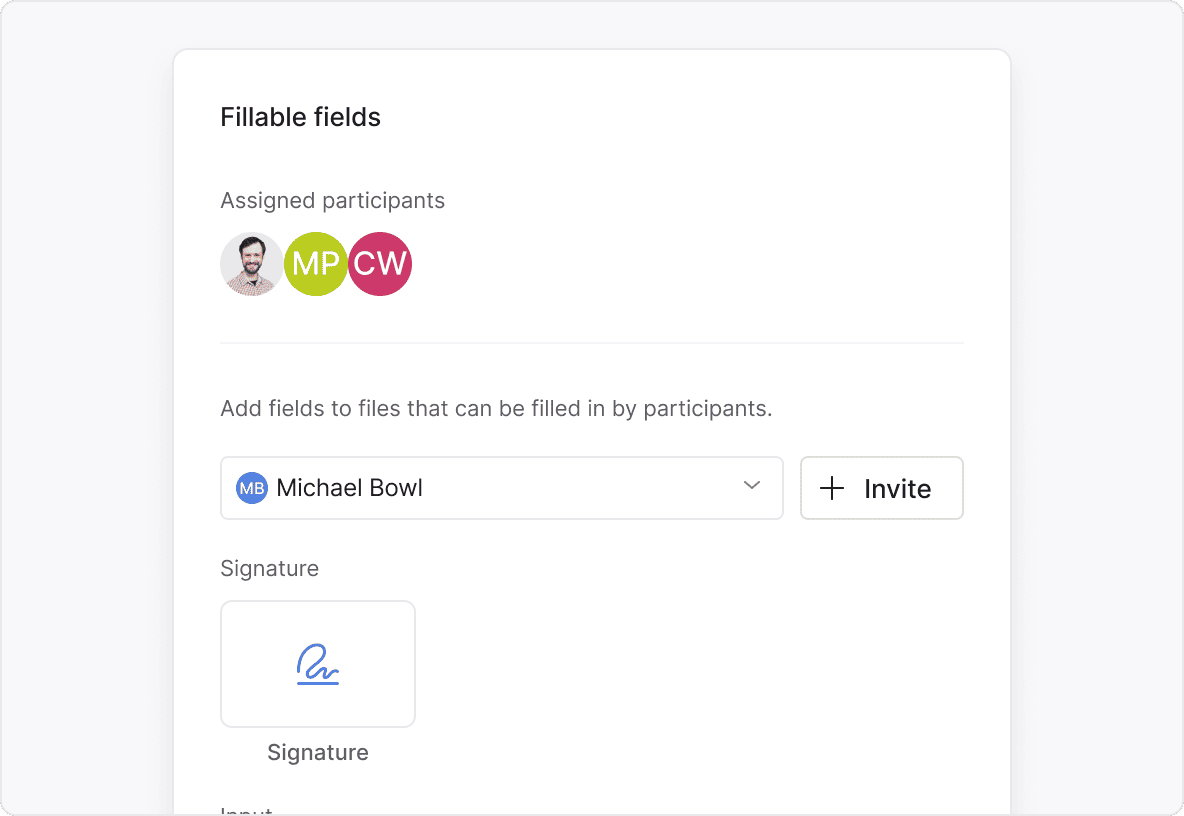
Create contracts faster with guided input
Ensure consistency across all contracts
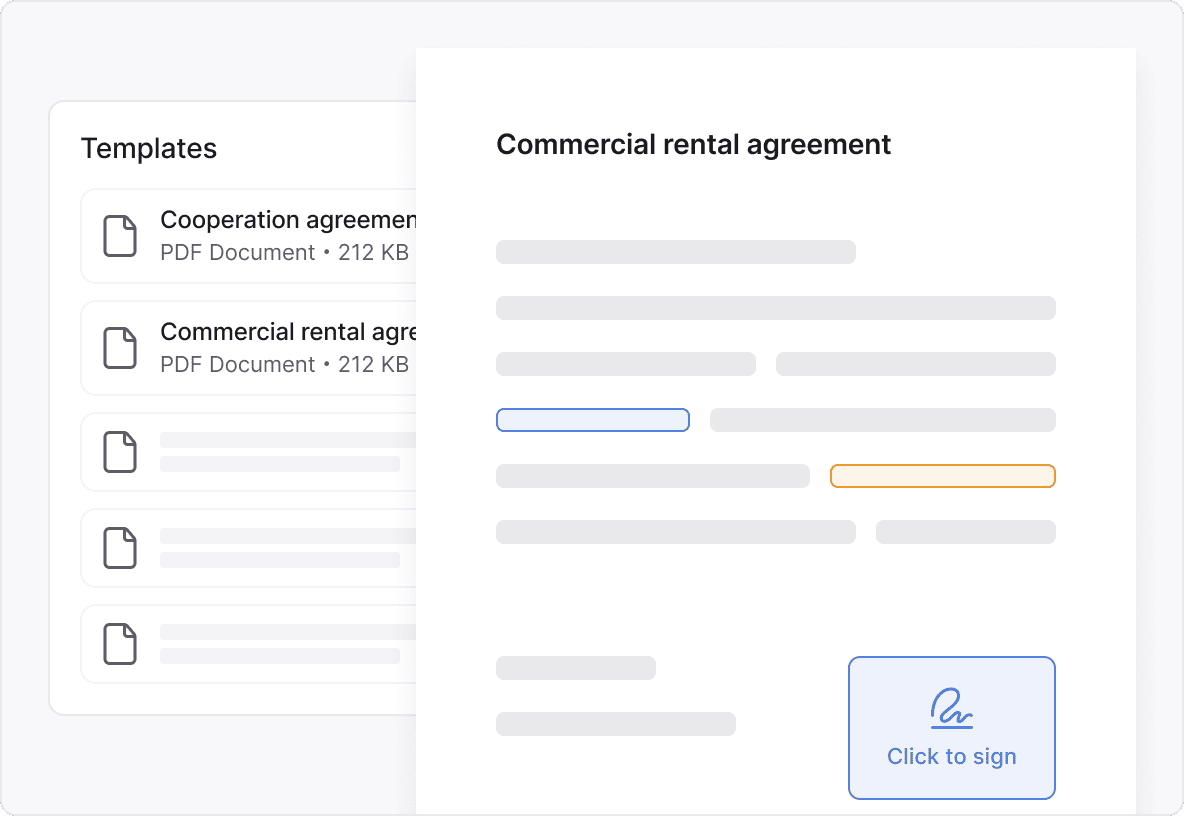
Turn contract content into usable data
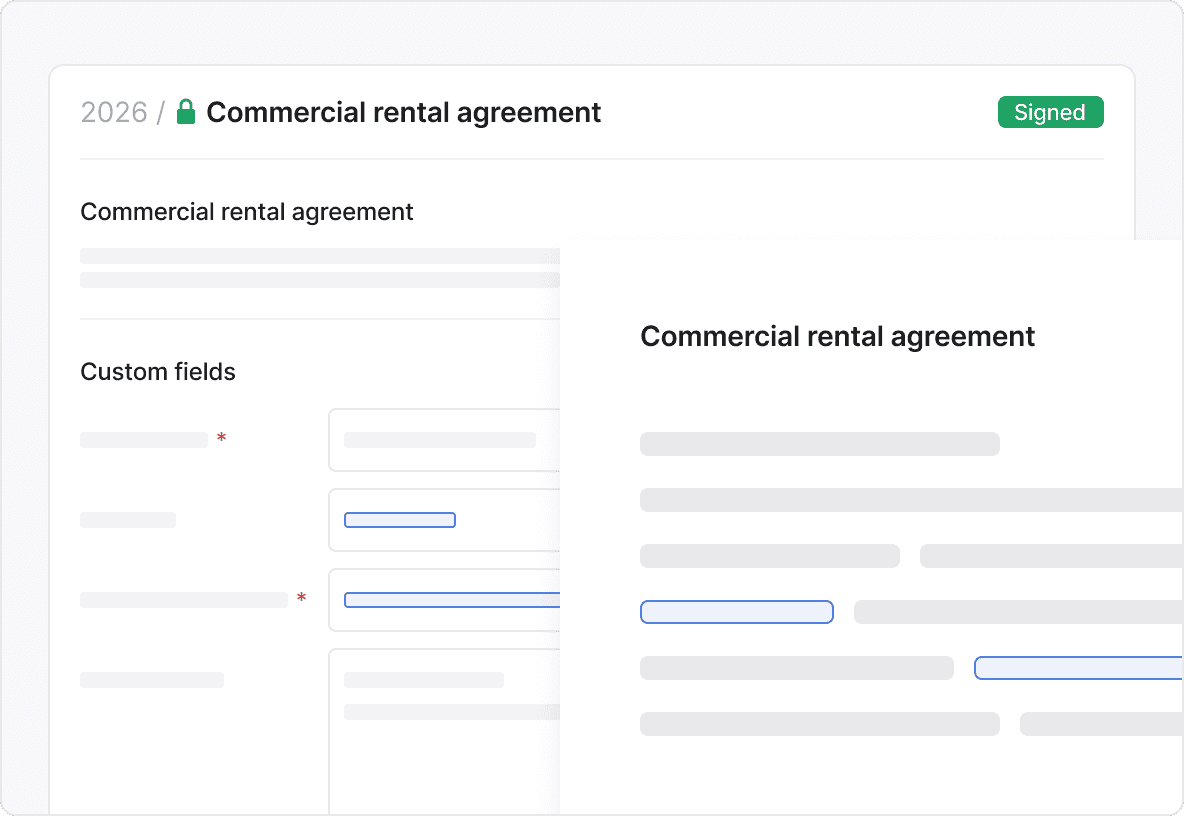
Why Fillable Fields are smart and reliable


Measurable impact with structured contract data
“Powerfully simple”
 Automatic deadline monitoring is a real game changer for us. We used to manage deadlines manually in Excel spreadsheets, which was naturally error-prone. Now Inhubber ensures that we are notified in a timely manner about upcoming termination periods. This has already saved us from unnecessary costs.
 Especially in the logistics sector, many contracts are long and complex. With the AI summary, I can understand a 40-page contract in just a few sentences. This saves an incredible amount of time. When I log in in the morning, I immediately see upcoming deadlines, tasks, and signature requests. That way, I know right away what I need to focus on. It used to be much more unclear.
 Inhubber has fundamentally changed the way we handle our contracts by providing a user-friendly and efficient platform that ensures complete transparency. This change has led to significant time savings, particularly through improved organization and accessibility of data. In the financial sector, it is especially useful as it helps keep track of costs and deadlines, making it an essential tool for our sustainable growth.

 Thanks to Inhubber, it is now much easier and faster to rent out apartments, and I can even rent them out across the country without having to be there.

 Before we introduced Inhubber, we missed termination deadlines several times simply because no one remembered that the contract still existed and needed to be cancelled. This led to unnecessary costs that we wanted to avoid. With Inhubber, we can now be confident that this will no longer happen.

 The advantages I see with Inhubber are, firstly, usability, meaning it’s easy to use for our team members and business partners. The second major advantage I see with Inhubber is the whole issue of data security, data availability, and more.

 After evaluating several software solutions, we chose Inhubber – not only because it offers a web-based solution that’s accessible from anywhere, but also because of the flexibility in structuring contracts. We wanted the option of storing our contracts in clearly structured categories and areas that perfectly fit our organization.

 Inhubber was the perfect solution for our family-owned business.
We now have a complete overview of all contracts — structured by business units and contract types. Relevant documents are always easy to find, deadlines are automatically tracked, and nothing gets lost anymore.
What impressed us most was the 100% transparency, the ease of use, and the automatic identification of contract risks. Manual effort has been significantly reduced — we save around 80% of the time compared to before.
Inhubber has sustainably professionalized and simplified our contract management.
Inhubber was the perfect solution for our family-owned business.
We now have a complete overview of all contracts — structured by business units and contract types. Relevant documents are always easy to find, deadlines are automatically tracked, and nothing gets lost anymore.
What impressed us most was the 100% transparency, the ease of use, and the automatic identification of contract risks. Manual effort has been significantly reduced — we save around 80% of the time compared to before.
Inhubber has sustainably professionalized and simplified our contract management.


Award winning CLM software












FAQ
Fillable Fields are predefined input fields within contract templates that allow users to enter specific data such as names, dates, values, or durations without editing the contract text itself. Instead of manually changing documents, users simply complete structured fields while the approved contract language remains protected.
In practice, legal or contract owners define which fields are editable and what type of information can be entered. Business users then create contracts by filling in these fields through a guided interface. This approach ensures accuracy, consistency, and compliance while significantly reducing the time needed to create contracts. Fillable Fields transform static templates into structured, reusable assets that can be safely used across teams.
Errors in contracts often occur due to manual edits, copy-paste mistakes, or inconsistent formatting. Fillable Fields eliminate these risks by restricting input to predefined, validated fields. Users can only enter information where it is explicitly allowed, and in the correct format.
Because the contract text itself remains unchanged, approved clauses, legal language, and formatting stay consistent. This structured approach significantly reduces common issues such as incorrect dates, missing values, or inconsistent contract terms. As a result, contracts are more accurate, easier to review, and less likely to require rework or legal correction.
Fillable Fields ensure that all contracts are created using the same approved templates and data structure, regardless of who creates them. Whether contracts are prepared by sales, procurement, or operations, the underlying structure remains identical.
This standardization improves contract quality across the organization and prevents deviations from internal guidelines. It also simplifies onboarding for new employees, as users follow a clear, guided process rather than interpreting templates on their own. Over time, this consistency strengthens governance, reduces risk, and creates a shared contract standard across departments and regions.
Yes. One of the key benefits of Fillable Fields is that they empower business teams to create contracts independently while remaining legally compliant. Legal teams define and control the structure, clauses, and editable fields upfront.
Once templates are approved, business users can safely generate contracts without involving legal for every routine agreement. This reduces legal workload and speeds up operations without compromising control. Legal teams remain involved only when exceptions, deviations, or complex cases arise, creating a balanced and efficient collaboration model.
Data entered into Fillable Fields is stored as structured information rather than unstructured text. This means contract values, dates, parties, and other key elements can be searched, filtered, and analyzed across all contracts.
Structured data enables powerful use cases such as reporting on contract volumes, tracking obligations, monitoring durations, or preparing audits. It also lays the groundwork for automation, such as reminders, workflows, or integrations with other systems. Fillable Fields turn contracts into a reliable source of business data rather than static documents.
Yes. Fillable Fields are designed to handle both simple and complex contracts. Multiple fields can be combined within a single template to reflect different commercial models, pricing structures, or contract variations.
Conditional logic and controlled inputs allow organizations to maintain flexibility while keeping contracts structured. Even complex agreements benefit from reduced manual editing and improved consistency. This makes Fillable Fields suitable for enterprises with diverse contract requirements, multiple business units, or international operations.
Fillable Fields create a clear separation of responsibilities. Legal teams control structure and content, while business teams focus on entering accurate data. This reduces misunderstandings and repetitive feedback loops.
Because all data is structured and visible, reviewers can quickly understand what has changed and why. This transparency improves collaboration, speeds up reviews, and reduces friction between departments. Teams work from the same source of truth instead of exchanging multiple document versions.
Yes. Templates and Fillable Fields can be updated as business requirements evolve. Legal or contract owners can adjust fields, add new ones, or modify rules without disrupting existing contracts.
New contracts automatically follow the updated structure, while existing contracts remain intact for audit and traceability purposes. This flexibility ensures that organizations can adapt their contract processes over time without losing consistency or historical data.
As organizations grow, manual contract creation becomes increasingly inefficient. Fillable Fields enable scalable contract processes by allowing the same templates and data structure to be reused across teams, regions, and business units.
New users can be onboarded quickly, and contract volumes can increase without proportional increases in workload. Structured data and standardized processes ensure that quality and compliance remain consistent, even at scale.
Modern contract management requires more than document storage. Organizations need accuracy, speed, and data they can trust. Fillable Fields provide the foundation for all three.
By structuring how contract data is entered and managed, Fillable Fields reduce risk, increase efficiency, and unlock the full value of contract data. They turn contracts into reliable business assets that support automation, reporting, and long-term scalability — making them an essential component of modern contract lifecycle management.