



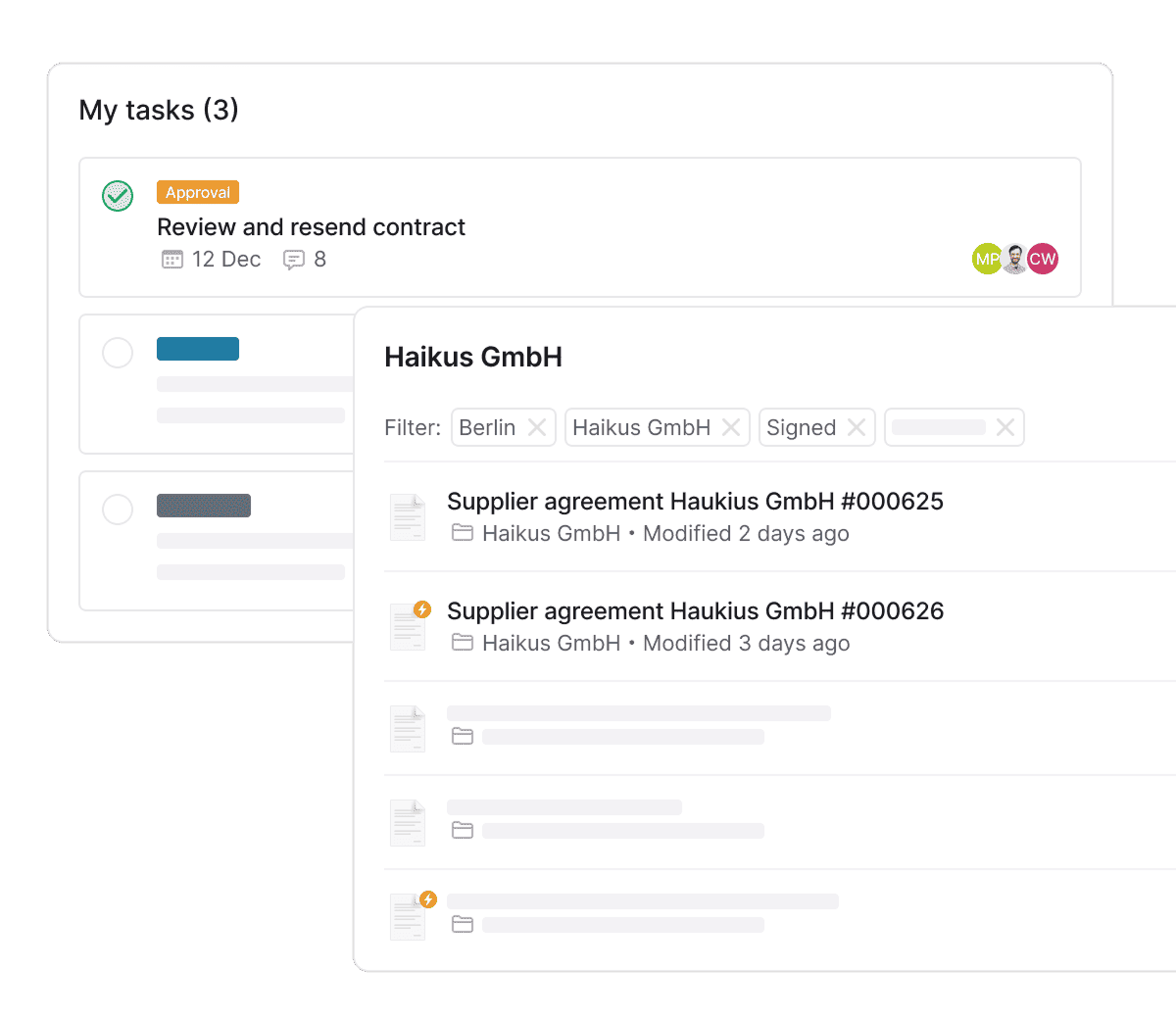
Manage supplier contracts in one central platform
Trusted by over 10000 happy users



















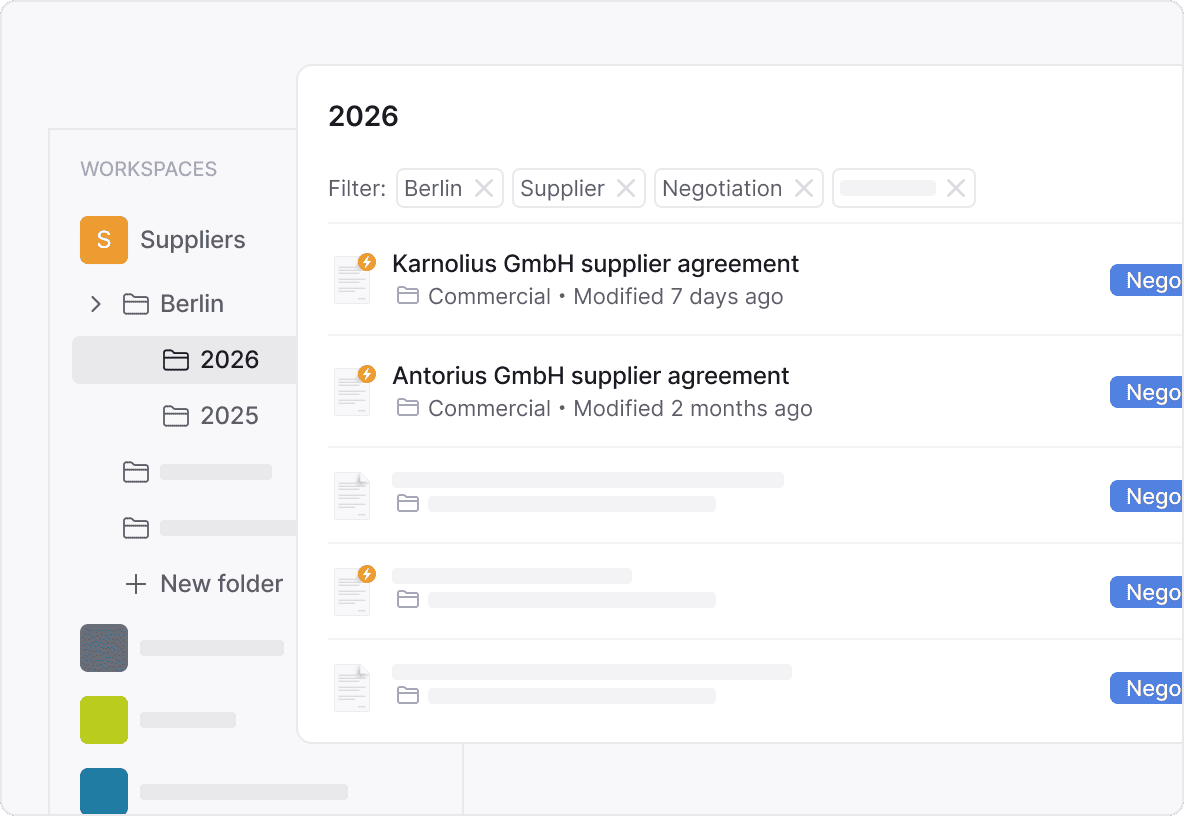
Centralized supplier contracts with clear versions
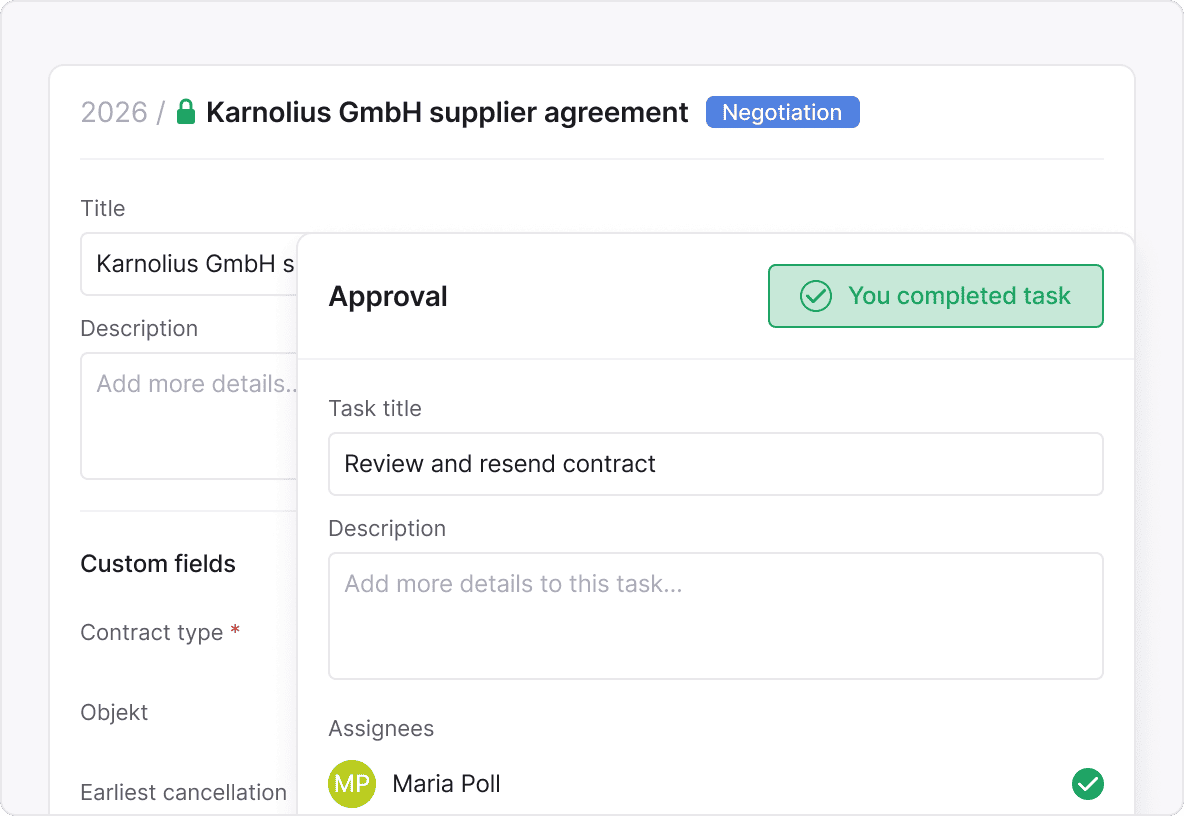
Structured approvals and secure collaboration
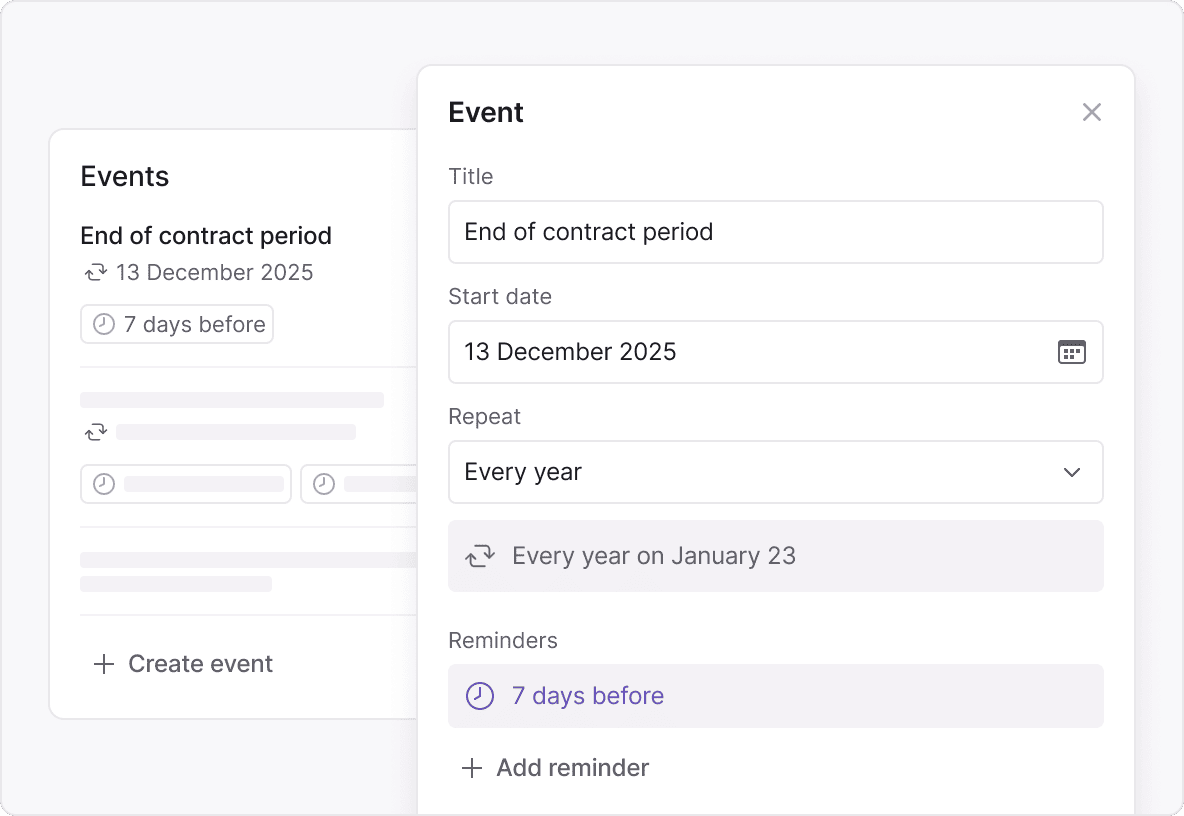
Reliable tracking of renewals and contract obligations
Integrated digital signatures without friction for suppliers
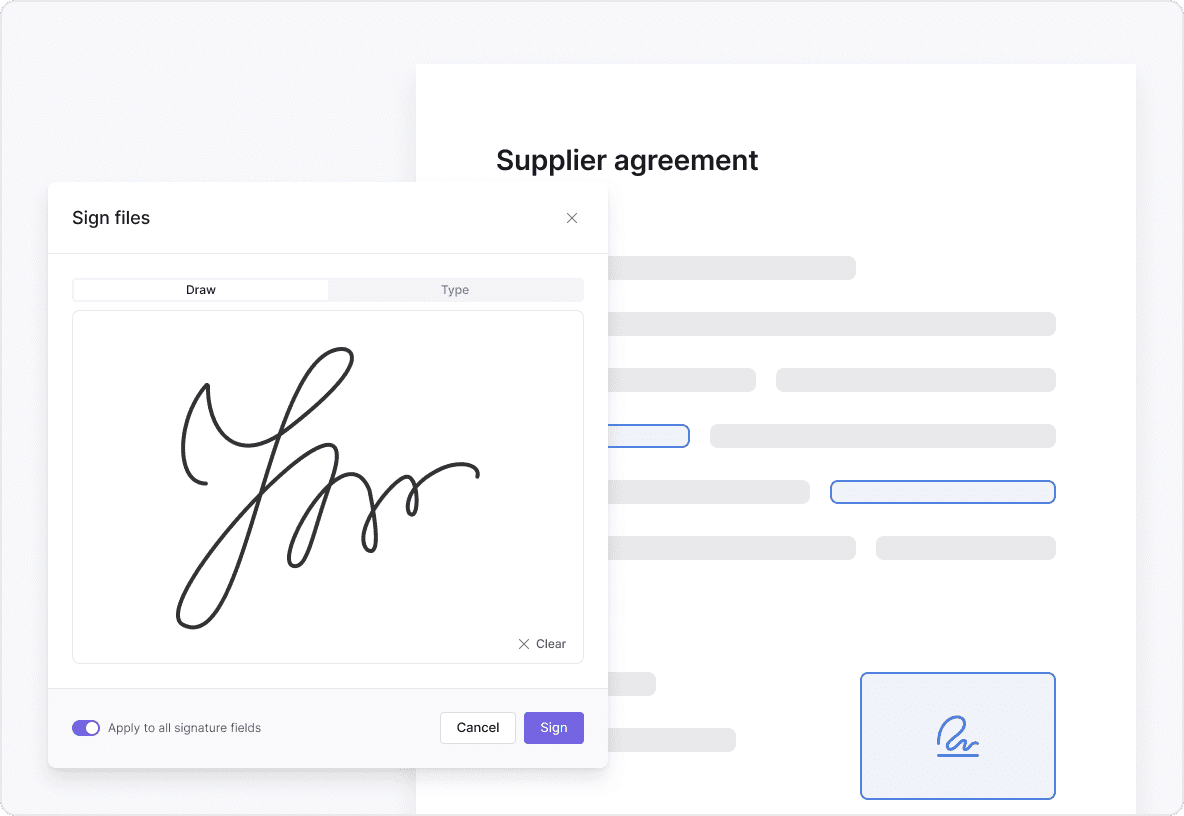
Control, collaboration, and scalability


Clear value for procurement teams
“Powerfully simple”
 Automatic deadline monitoring is a real game changer for us. We used to manage deadlines manually in Excel spreadsheets, which was naturally error-prone. Now Inhubber ensures that we are notified in a timely manner about upcoming termination periods. This has already saved us from unnecessary costs.
 Especially in the logistics sector, many contracts are long and complex. With the AI summary, I can understand a 40-page contract in just a few sentences. This saves an incredible amount of time. When I log in in the morning, I immediately see upcoming deadlines, tasks, and signature requests. That way, I know right away what I need to focus on. It used to be much more unclear.
 Inhubber has fundamentally changed the way we handle our contracts by providing a user-friendly and efficient platform that ensures complete transparency. This change has led to significant time savings, particularly through improved organization and accessibility of data. In the financial sector, it is especially useful as it helps keep track of costs and deadlines, making it an essential tool for our sustainable growth.

 Thanks to Inhubber, it is now much easier and faster to rent out apartments, and I can even rent them out across the country without having to be there.

 Before we introduced Inhubber, we missed termination deadlines several times simply because no one remembered that the contract still existed and needed to be cancelled. This led to unnecessary costs that we wanted to avoid. With Inhubber, we can now be confident that this will no longer happen.

 The advantages I see with Inhubber are, firstly, usability, meaning it’s easy to use for our team members and business partners. The second major advantage I see with Inhubber is the whole issue of data security, data availability, and more.

 After evaluating several software solutions, we chose Inhubber – not only because it offers a web-based solution that’s accessible from anywhere, but also because of the flexibility in structuring contracts. We wanted the option of storing our contracts in clearly structured categories and areas that perfectly fit our organization.

 Inhubber was the perfect solution for our family-owned business.
We now have a complete overview of all contracts — structured by business units and contract types. Relevant documents are always easy to find, deadlines are automatically tracked, and nothing gets lost anymore.
What impressed us most was the 100% transparency, the ease of use, and the automatic identification of contract risks. Manual effort has been significantly reduced — we save around 80% of the time compared to before.
Inhubber has sustainably professionalized and simplified our contract management.
Inhubber was the perfect solution for our family-owned business.
We now have a complete overview of all contracts — structured by business units and contract types. Relevant documents are always easy to find, deadlines are automatically tracked, and nothing gets lost anymore.
What impressed us most was the 100% transparency, the ease of use, and the automatic identification of contract risks. Manual effort has been significantly reduced — we save around 80% of the time compared to before.
Inhubber has sustainably professionalized and simplified our contract management.


Award winning CLM software










FAQ
Supplier contract management refers to the structured handling of all contracts related to suppliers throughout their entire lifecycle. This includes contract creation, negotiation, approval, storage, renewals, and termination. In practice, many organizations struggle because supplier contracts are spread across emails, shared folders, or individual systems, making them difficult to manage consistently.
With a centralized approach, supplier contract management becomes a controlled process rather than a reactive task. Inhubber supports this by providing a single platform where supplier agreements are stored, versioned, and tracked. Procurement teams gain visibility into contract status, conditions, and deadlines, while management retains oversight. This structured approach reduces operational risk, improves transparency, and supports more reliable supplier relationships.
Inhubber centralizes supplier contracts by organizing them into structured workspaces within a single platform. Instead of storing agreements across multiple locations, all supplier contracts are uploaded, categorized, and managed in one place. Contracts can be grouped by supplier, category, region, or status, depending on procurement needs.
This centralization creates a single source of truth, ensuring that all stakeholders work with the same information. Clear version control ensures that the latest contract version is always identifiable, while previous versions remain accessible for reference. As a result, procurement teams spend less time searching for documents and more time managing supplier relationships effectively.
Supplier contracts often change over time due to pricing updates, scope adjustments, or renegotiated terms. Without proper version control, this leads to confusion and risk.
Inhubber provides clear version management for all supplier contracts. Each amendment is documented, previous versions are retained, and the current version is clearly marked. This ensures transparency across procurement, legal, and management teams. Stakeholders can easily review what has changed and when, reducing misunderstandings and ensuring that decisions are based on the correct contractual terms.
Yes. Inhubber supports structured approval workflows that align with existing procurement and governance processes. Supplier contracts often require input from procurement, legal, finance, or management, and manual coordination can slow down decisions.
With Inhubber, approval steps are clearly defined, responsibilities are assigned, and the status of each contract is visible at all times. This reduces delays, eliminates informal approvals, and ensures accountability. The result is a more predictable and efficient approval process that supports both operational needs and internal controls.
Collaboration with suppliers often involves exchanging contract drafts and documents via email, which creates version conflicts and security risks. Inhubber enables secure, permission-based collaboration within the platform.
Suppliers and external partners can access relevant contracts and documents without requiring full user accounts. Access rights are clearly controlled, and all interactions remain traceable. This approach improves collaboration efficiency while maintaining data security and transparency, especially in complex supplier environments.
Missed renewal or termination dates are a common issue in supplier management and often lead to unnecessary costs or unwanted contract extensions.
Inhubber tracks all contract deadlines centrally and sends automated reminders ahead of critical dates. Procurement teams receive timely notifications, allowing them to review contracts and make informed decisions proactively. This structured deadline management reduces risk and ensures that supplier contracts remain aligned with business needs.
Supplier contracts are frequently reviewed during internal audits or compliance checks. Without proper documentation, preparing for audits can be time-consuming and disruptive.
Inhubber maintains a complete audit trail for supplier contracts, including versions, approvals, access rights, and changes. This audit-ready documentation simplifies compliance reviews and reduces manual preparation efforts. Auditors can trace decisions and contract history clearly, improving transparency and reducing audit-related stress for procurement teams.
Inhubber is designed to complement existing procurement processes rather than replace them. It integrates into established workflows and supports coordination between teams and systems.
By centralizing contract-related activities, Inhubber reduces duplication of work and manual coordination. Procurement teams can continue using their existing tools while relying on Inhubber as the central contract platform. This makes adoption easier and ensures minimal disruption to daily operations.
Yes. Inhubber scales with the size and complexity of supplier portfolios. Whether managing a limited number of suppliers or a large, growing network, the platform maintains structure and clarity.
As supplier relationships increase, Inhubber helps prevent complexity from becoming unmanageable. Centralized contracts, structured workflows, and role-based access ensure that growth does not compromise control or transparency.
Supplier contract management with Inhubber benefits procurement teams, legal stakeholders, and management alike. Procurement gains efficiency and clarity in daily operations, legal teams benefit from consistent documentation and traceability, and management gains visibility into supplier obligations and risks.
By providing a structured yet flexible platform, Inhubber supports collaboration across roles and ensures that supplier contracts are managed as a strategic asset rather than an administrative burden.