



Smarter audits, complete transparency
Trusted by over 10000 happy users
























How to get audit-ready trial?
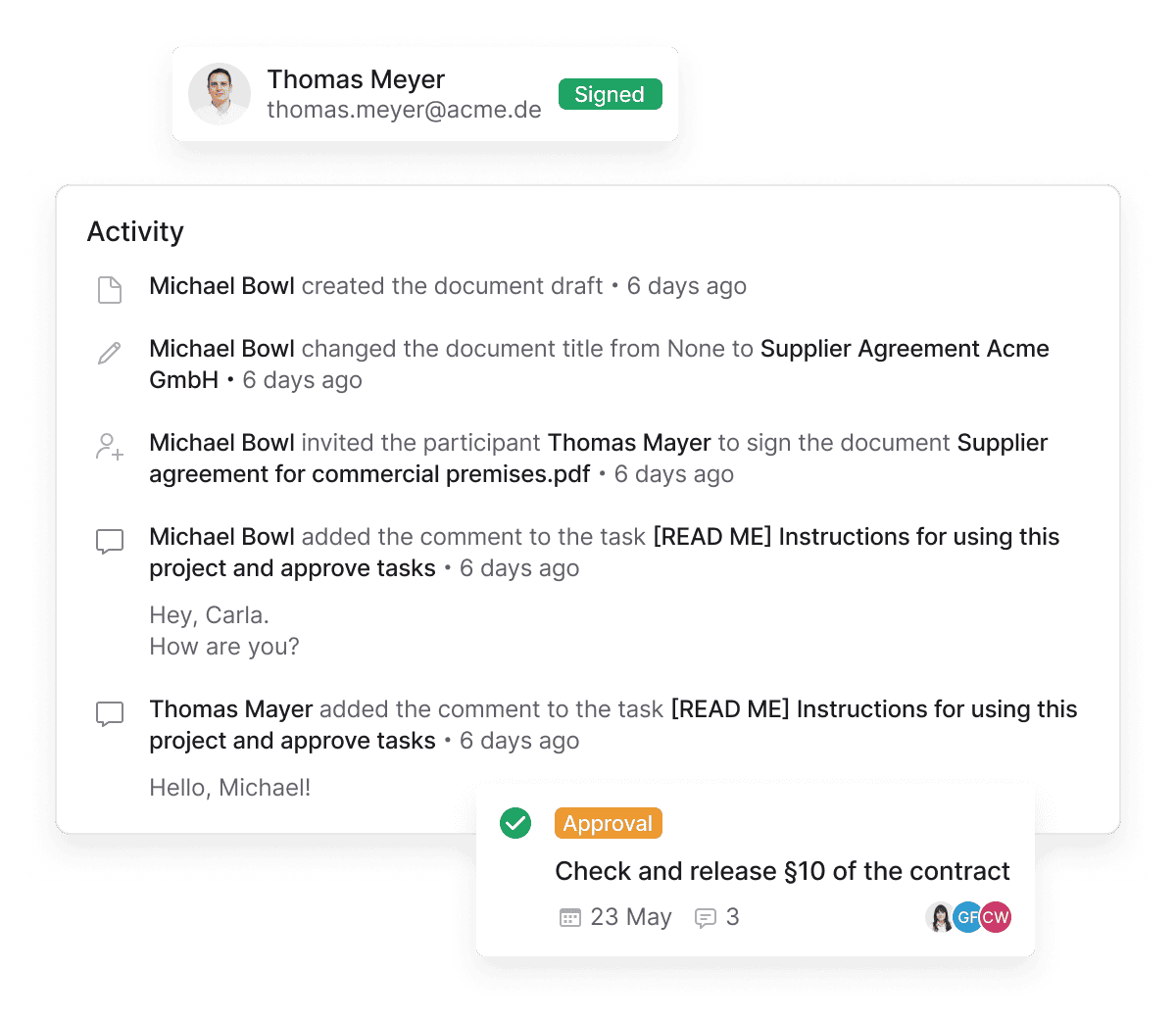
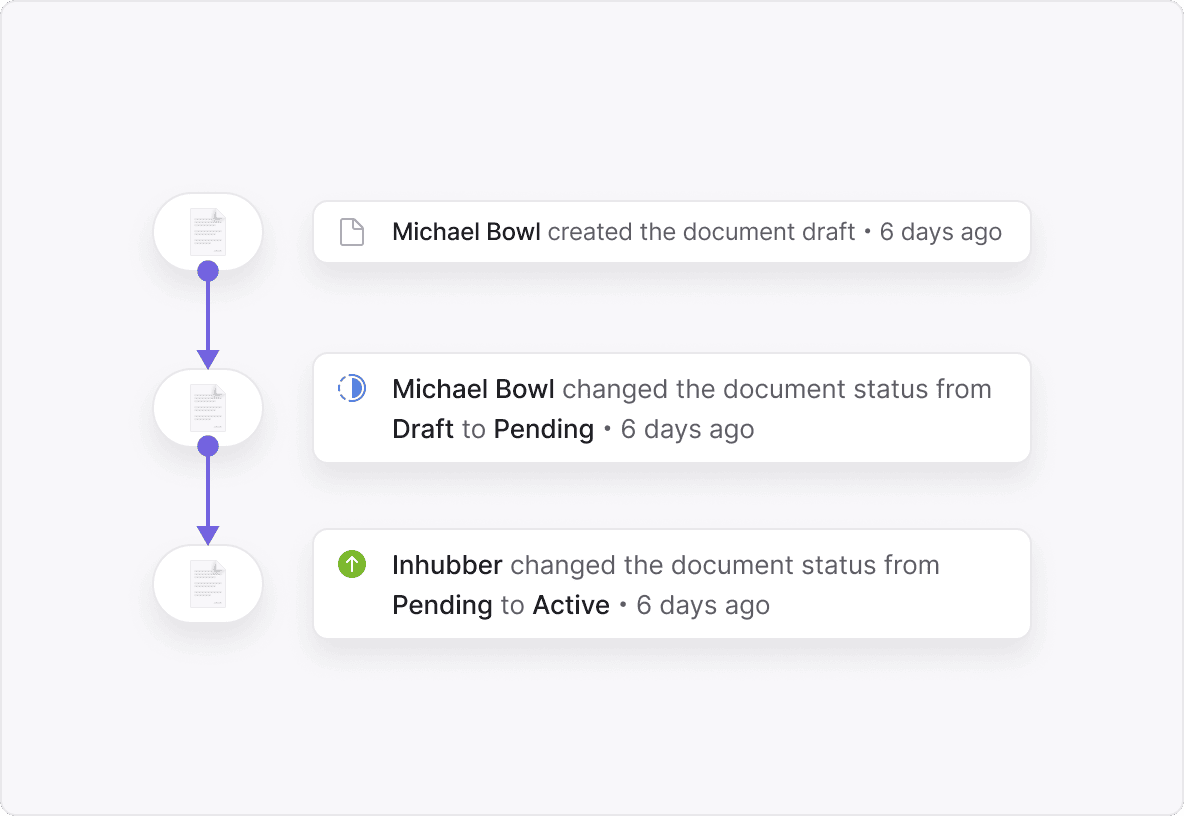
Automatic audit trail
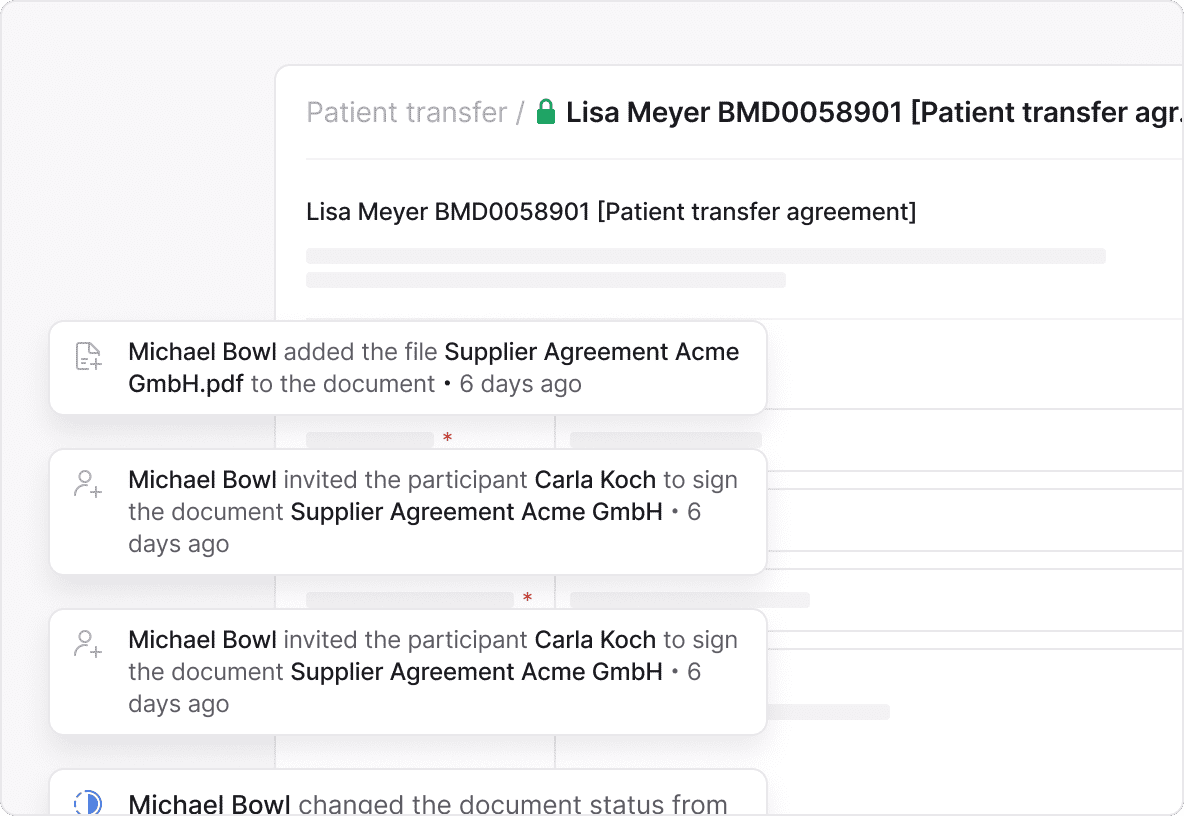
Full version control
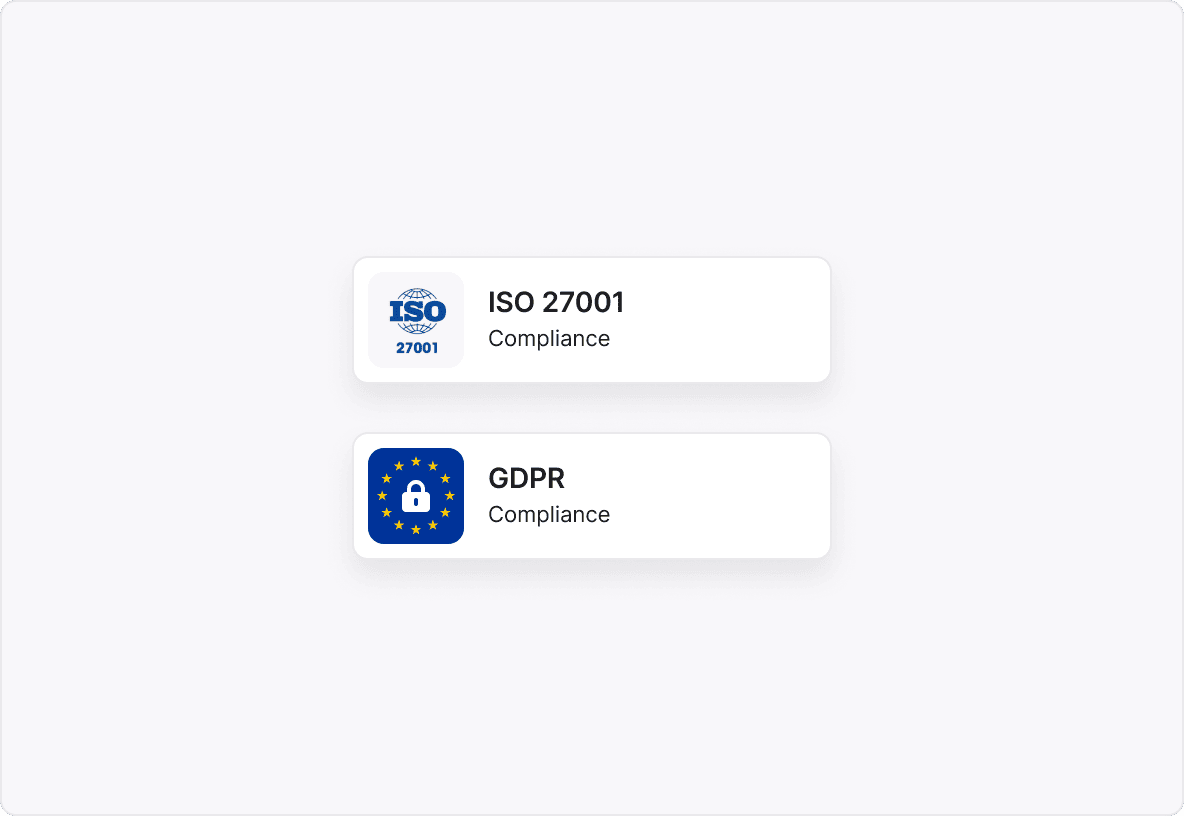
Compliance & quality assurance
End-to-end encryption
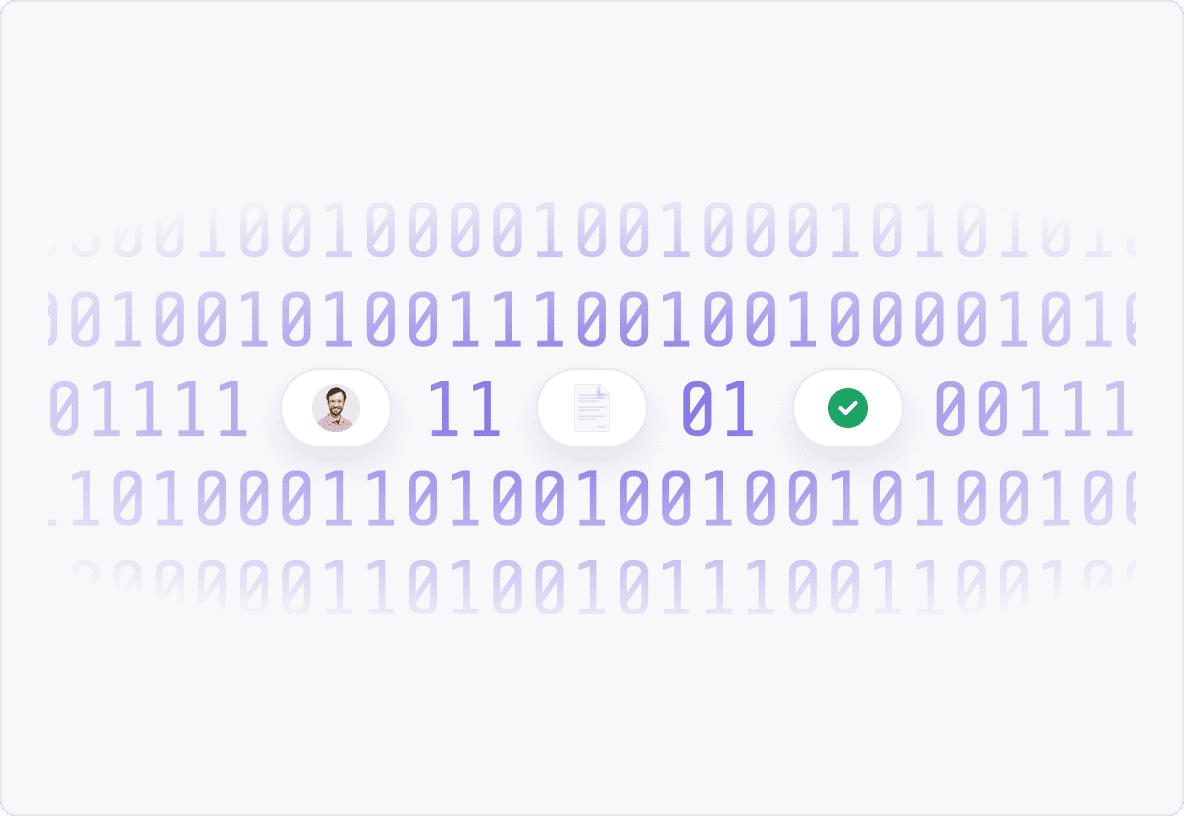
What makes Inhubber’s audit trail secure and audit-ready


Real results with audit trails in Inhubber
“Powerfully simple”
 Automatic deadline monitoring is a real game changer for us. We used to manage deadlines manually in Excel spreadsheets, which was naturally error-prone. Now Inhubber ensures that we are notified in a timely manner about upcoming termination periods. This has already saved us from unnecessary costs.
Automatic deadline monitoring is a real game changer for us. We used to manage deadlines manually in Excel, which was error-prone. Now Inhubber notifies us in time about upcoming termination periods, helping us avoid missed deadlines and unnecessary costs.
Automatic deadline monitoring is a real game changer for us. We used to manage deadlines manually in Excel spreadsheets, which was naturally error-prone. Now Inhubber ensures that we are notified in a timely manner about upcoming termination periods. This has already saved us from unnecessary costs.
Automatic deadline monitoring is a real game changer for us. We used to manage deadlines manually in Excel, which was error-prone. Now Inhubber notifies us in time about upcoming termination periods, helping us avoid missed deadlines and unnecessary costs.

 Especially in the logistics sector, many contracts are long and complex. With the AI summary, I can understand a 40-page contract in just a few sentences. This saves an incredible amount of time. When I log in in the morning, I immediately see upcoming deadlines, tasks, and signature requests. That way, I know right away what I need to focus on. It used to be much more unclear.
Especially in logistics, contracts are often long and complex. With AI summaries, I can understand a 40-page contract in seconds, saving significant time. Each morning, I instantly see deadlines, tasks, and signature requests—so I know exactly what to focus on.
Especially in the logistics sector, many contracts are long and complex. With the AI summary, I can understand a 40-page contract in just a few sentences. This saves an incredible amount of time. When I log in in the morning, I immediately see upcoming deadlines, tasks, and signature requests. That way, I know right away what I need to focus on. It used to be much more unclear.
Especially in logistics, contracts are often long and complex. With AI summaries, I can understand a 40-page contract in seconds, saving significant time. Each morning, I instantly see deadlines, tasks, and signature requests—so I know exactly what to focus on.

 Inhubber has fundamentally changed the way we handle our contracts by providing a user-friendly and efficient platform that ensures complete transparency. This change has led to significant time savings, particularly through improved organization and accessibility of data. In the financial sector, it is especially useful as it helps keep track of costs and deadlines, making it an essential tool for our sustainable growth.
Inhubber has transformed contract management with a user-friendly platform and full transparency. It saves time through better organization and data access. In finance, it’s valuable for tracking costs and deadlines, supporting growth.
Inhubber has fundamentally changed the way we handle our contracts by providing a user-friendly and efficient platform that ensures complete transparency. This change has led to significant time savings, particularly through improved organization and accessibility of data. In the financial sector, it is especially useful as it helps keep track of costs and deadlines, making it an essential tool for our sustainable growth.
Inhubber has transformed contract management with a user-friendly platform and full transparency. It saves time through better organization and data access. In finance, it’s valuable for tracking costs and deadlines, supporting growth.

 Thanks to Inhubber, it is now much easier and faster to rent out apartments, and I can even rent them out across the country without having to be there.
Thanks to Inhubber, it is now much easier and faster to rent out apartments, and I can even rent them out across the country without having to be there.
Thanks to Inhubber, it is now much easier and faster to rent out apartments, and I can even rent them out across the country without having to be there.

 Before we introduced Inhubber, we missed termination deadlines several times simply because no one remembered that the contract still existed and needed to be cancelled. This led to unnecessary costs that we wanted to avoid. With Inhubber, we can now be confident that this will no longer happen.
Before Inhubber, we missed termination deadlines because contracts were overlooked, leading to unnecessary costs. Now, we’re reliably notified in time and can be confident that deadlines are no longer missed.
Before we introduced Inhubber, we missed termination deadlines several times simply because no one remembered that the contract still existed and needed to be cancelled. This led to unnecessary costs that we wanted to avoid. With Inhubber, we can now be confident that this will no longer happen.
Before Inhubber, we missed termination deadlines because contracts were overlooked, leading to unnecessary costs. Now, we’re reliably notified in time and can be confident that deadlines are no longer missed.

 The advantages I see with Inhubber are, firstly, usability, meaning it’s easy to use for our team members and business partners. The second major advantage I see with Inhubber is the whole issue of data security, data availability, and more.
The advantages I see with Inhubber are, firstly, usability, meaning it’s easy to use for our team members and business partners. The second major advantage I see with Inhubber is the whole issue of data security, data availability, and more.
The advantages I see with Inhubber are, firstly, usability, meaning it’s easy to use for our team members and business partners. The second major advantage I see with Inhubber is the whole issue of data security, data availability, and more.

 After evaluating several software solutions, we chose Inhubber – not only because it offers a web-based solution that’s accessible from anywhere, but also because of the flexibility in structuring contracts. We wanted the option of storing our contracts in clearly structured categories and areas that perfectly fit our organization.
After evaluating several solutions, we chose Inhubber for its web-based accessibility and flexible contract structuring. It allows us to organize contracts into clear categories and areas that perfectly match our organization.
After evaluating several software solutions, we chose Inhubber – not only because it offers a web-based solution that’s accessible from anywhere, but also because of the flexibility in structuring contracts. We wanted the option of storing our contracts in clearly structured categories and areas that perfectly fit our organization.
After evaluating several solutions, we chose Inhubber for its web-based accessibility and flexible contract structuring. It allows us to organize contracts into clear categories and areas that perfectly match our organization.

 Inhubber was the perfect solution for our family-owned business.
We now have a complete overview of all contracts — structured by business units and contract types. Relevant documents are always easy to find, deadlines are automatically tracked, and nothing gets lost anymore.
What impressed us most was the 100% transparency, the ease of use, and the automatic identification of contract risks. Manual effort has been significantly reduced — we save around 80% of the time compared to before.
Inhubber has sustainably professionalized and simplified our contract management.
Inhubber is the perfect solution for our family business. We now have a full overview of all contracts, clearly structured and easy to access. Deadlines are tracked automatically, risks are identified, and manual effort is reduced—saving us around 80% of the time.
Inhubber was the perfect solution for our family-owned business.
We now have a complete overview of all contracts — structured by business units and contract types. Relevant documents are always easy to find, deadlines are automatically tracked, and nothing gets lost anymore.
What impressed us most was the 100% transparency, the ease of use, and the automatic identification of contract risks. Manual effort has been significantly reduced — we save around 80% of the time compared to before.
Inhubber has sustainably professionalized and simplified our contract management.
Inhubber is the perfect solution for our family business. We now have a full overview of all contracts, clearly structured and easy to access. Deadlines are tracked automatically, risks are identified, and manual effort is reduced—saving us around 80% of the time.






Award winning CLM software












FAQ
An audit trail is a chronological log of all document actions—edits, approvals, and signatures. With Inhubber, it provides legal proof of who did what and when, improving accountability and transparency.
They allow teams to analyze approval workflows, detect delays or inconsistencies, and ensure all quality standards are continuously met.
They deliver accurate metrics on contract performance, helping finance and controlling teams verify data without manual re-entry or version confusion.
By highlighting unusual activity or missing approvals, Inhubber’s audit data helps identify potential compliance or operational risks early.
They’re automatically created in real time whenever a user interacts with a document—uploading, editing, approving, or signing.
User IDs, timestamps, document hashes, workflow steps, and actions performed—all accessible in a single exportable report.
Each action is secured through cryptographic hashing. This ensures no record can be modified without detection.
Inhubber applies end-to-end AES-based encryption and unique hashes for every version, guaranteeing document integrity and authenticity.
It ensures full traceability while respecting privacy principles—data is encrypted, access is logged, and retention follows GDPR standards.
Admins can define access rights by user role, contract type, or workspace, ensuring only authorized users can view sensitive audit data.
You can segment rights across departments (e.g., HR, Procurement) or project workspaces, keeping audits structured and data separation compliant.
Revision refers to the ability to track every document change over time. Inhubber ensures each edit, approval, and comment is stored and visible, creating full traceability for accountability and compliance.
Every contract version is automatically saved with a timestamp and editor ID. This allows users to compare versions, restore older ones, and prove document integrity during audits.